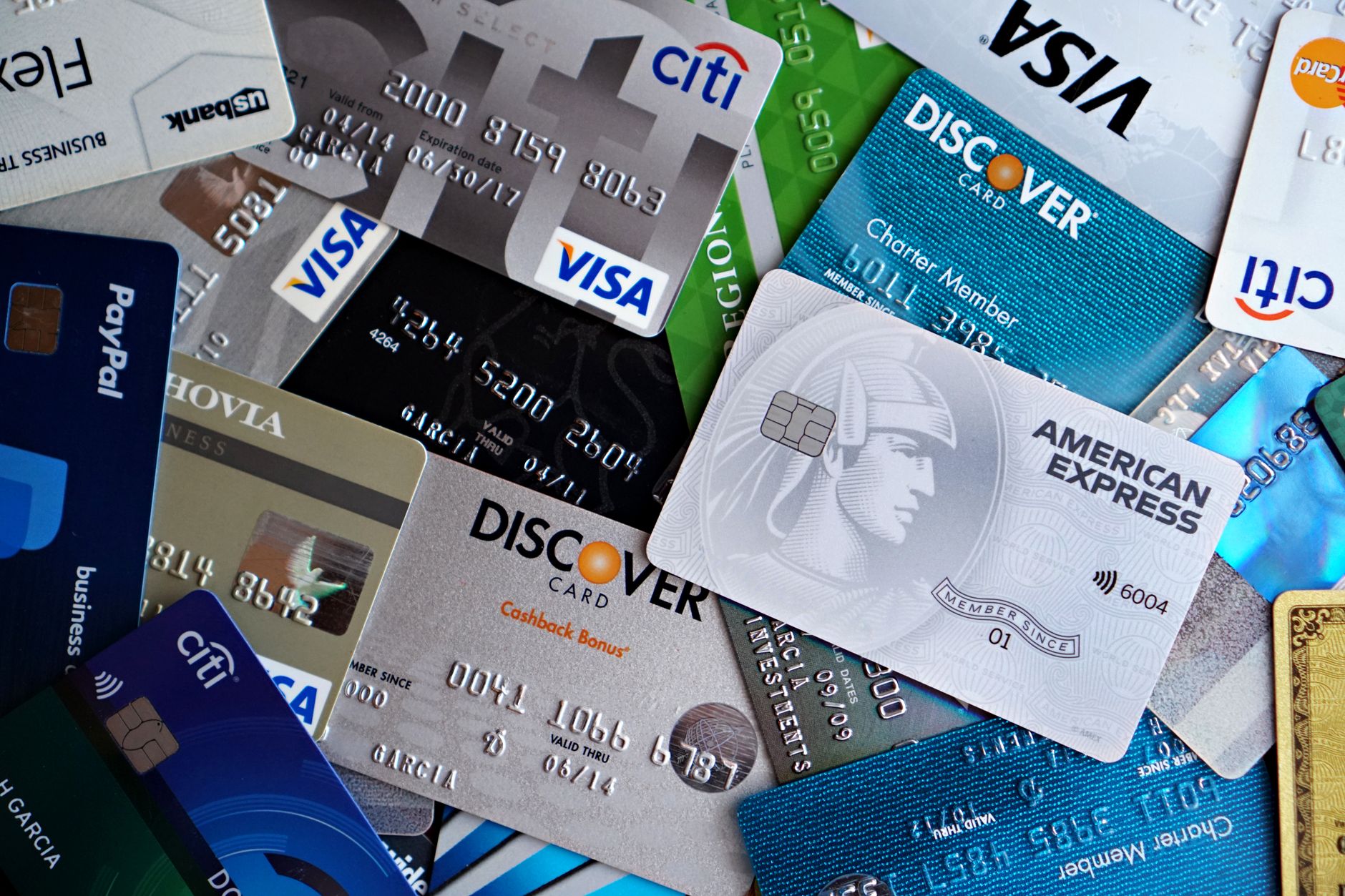
Yes, BMO can leave a closed credit card, loan or line of credit on your Equifax, Experian and TransUnion reports as a closed tradeline. A closed BMO checking or savings account alone does not work the same way.
A tradeline is the credit-bureau listing that shows an account balance and payment history. That lingering credit record can help or hurt. The Consumer Financial Protection Bureau says on-time payment history may still be reported after payoff and after closure, which can support future loan terms the Bureau's explanation of how long information stays on reports.
Table of Contents
- Will closing erase your BMO credit history?
- How long does a closed account stay visible?
- Does closing BMO checking or savings affect credit?
- How can a closed checking account still reach credit bureaus?
- What should you do before closing?
Will closing erase your BMO credit history?
No. Closure changes the account status to closed, but the history stays visible to lenders pulling your reports. Balance, late payments and on-time payments remain attached to that tradeline.
That matters for bonus seekers who open a card, earn rewards and then close it. Closing stops new activity, but it does not delete the months you held the card. Positive history can keep helping after closure. Negative marks also stay, so a late payment before closing still counts.
How long does a closed account stay visible?
It depends on how the account was paid. Equifax says closed accounts paid as agreed can stay up to 10 years, while accounts not paid as agreed, late payments and collections generally remain up to seven years Equifax's guide to how long information stays on reports. Experian gives a similar timeline.
It says accounts closed in good standing remain up to 10 years from closure, while closed accounts with negative history remain up to seven years Experian's explanation of when closed accounts are deleted. You cannot pay to remove an accurate closed account early. Experian says accurate closed accounts cannot be removed before those timelines run.
Does closing BMO checking or savings affect credit?
Closing a checking or savings account with a zero balance does not create a credit tradeline. It is a bank account, not a loan. Risk starts when the account closes with money owed.
The Consumer Financial Protection Bureau says closure for an unpaid negative balance is typically reported as an involuntary closure to a checking-account reporting company, along with suspected fraud cases the Bureau's answer on closed checking accounts and credit. That bank-reporting record affects future account approvals. ChexSystems separately tracks banking misconduct for about five years, according to Bankrate Bankrate's review of closing bank accounts and credit.
How can a closed checking account still reach credit bureaus?
Through collections. If BMO transfers an unpaid overdraft or fee balance to a collector, that collector may report to Equifax, Experian and TransUnion. That collection entry can then lower scores for up to seven years.
The original checking closure did not directly report, but the unpaid debt did. Bonus chasers should therefore separate two outcomes. A clean checking closure affects banking history, while an unpaid balance can become a credit problem.
What should you do before closing?
Pay the account to zero first. Leave no overdraft, monthly fee, returned-item fee or negative balance behind.
For credit cards, redeem rewards before closing because BMO ties closed accounts to loss of rewards accrual. For checking, move direct deposits, autopays and linked overdraft protection before you request closure. Then take these quick checks:.
- Confirm a zero balance in writing and keep the confirmation.
- Pull all three bureau reports after closure.
- Dispute errors with both the bureau and the furnisher.
You Might Also Like
- What Credit Score Does BMO Require for Approval?
- How to Close a BMO Bank Account Without Losing a Bonus
- Does BMO Run a Credit Check Before Opening a Checking Account?