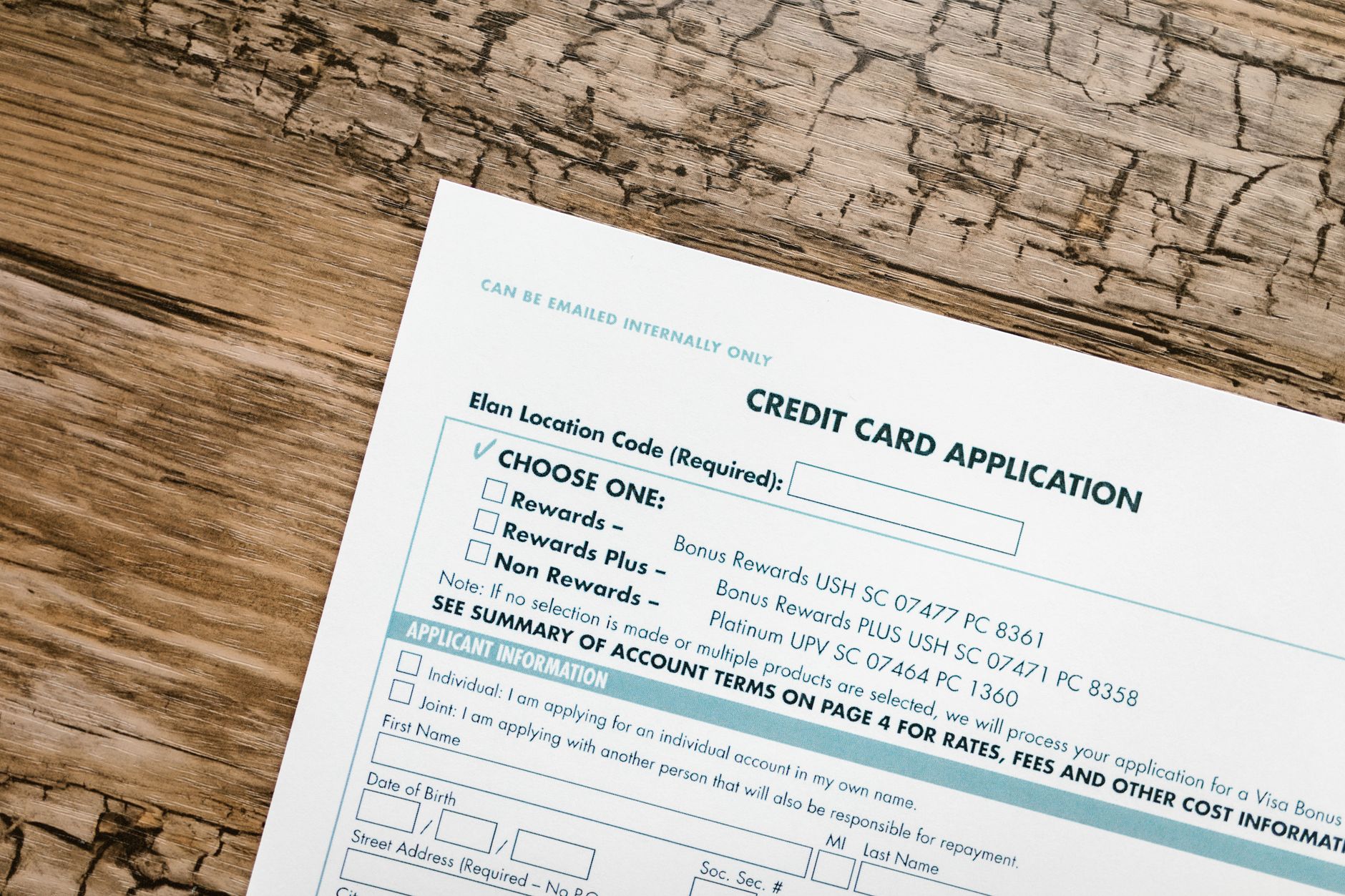
Paze credit rewards fail to appear in customer accounts for a variety of technical and administrative reasons, ranging from account eligibility issues to processing delays that can take several days to resolve. If you’ve applied for a Paze credit product expecting rewards to post immediately, you may find that promotions are either pending, applied to the wrong account, or contingent on specific account milestones you haven’t yet reached. The gap between promotion eligibility and actual credit posting is one of the most common frustrations with credit reward programs, and Paze is no exception.
Many cardholders discover that stated rewards appear in their terms and conditions but don’t actually arrive within the expected timeframe. This happens because banks and fintech providers operate under strict regulatory and operational guidelines that sometimes conflict with how quickly rewards can be verified and credited. Understanding why this happens—and what you can do about it—requires a closer look at how these rewards systems actually function behind the scenes.
Table of Contents
- What Causes Paze Credit Rewards to Delay or Go Missing?
- Account Eligibility and Verification Blockers
- Timing and Processing Delays
- How to Verify Your Reward Status and Resolve Missing Credits
- Account Restrictions and Risk Management Holds
- Promotional Terms and Fine Print Restrictions
- When to Escalate and What Documentation to Keep
- Frequently Asked Questions
What Causes Paze Credit Rewards to Delay or Go Missing?
Reward credits in Paze accounts require the bank to verify multiple conditions before posting: that the account is in good standing, that required minimum spending or activities have been completed, and that the account meets the stated eligibility criteria. If any of these checks fail, the reward either delays or never arrives. Common blockers include incomplete account verification, accounts flagged for fraud investigation (even routine ones), or the account being restricted due to risk assessment algorithms that financial institutions apply to new accounts.
Another frequent cause is that the promotional terms specify a particular account type or enrollment step that wasn’t completed. For example, if a promotion requires you to activate a feature within 30 days or link your account to a specific service, and you haven’t done that, the reward won’t post even if you meet other conditions. Many customers miss these fine-print requirements because the marketing material emphasizes the reward amount rather than the conditions attached to it.
Account Eligibility and Verification Blockers
Account eligibility problems often go undiagnosed because banks don’t always proactively notify you when your account fails an automated check. If you have a history of chargebacks, account closures, or regulatory issues at other institutions, a bank’s system may tag your Paze account for enhanced scrutiny, which delays reward posting indefinitely. Similarly, if your account is brand new, some rewards programs don’t process credits until the account has aged (typically 30-90 days), even if all other conditions are met.
An important limitation: Paze and other fintech providers are required by law to conduct Know Your customer (KYC) compliance checks, especially if you’re opening a new account or increasing account limits. If these checks are still in progress, reward postings are often held until verification is complete. This can mean a delay of one to two weeks or longer, even if the bank has no actual concerns about your account. You may see your reward marked as “pending” in the system, but you won’t receive it until the back-office verification is done.
Timing and Processing Delays
Paze and similar providers typically have specific processing windows for crediting rewards, and timing matters significantly. A reward earned on day 25 of a 30-day promotional period might not be verified and posted until day 35, after the promotional window has technically closed according to the bank’s internal calendar. This is a limitation of how batch processing works: rewards aren’t credited in real-time, but rather reviewed and posted in scheduled cycles, often weekly or monthly.
Some customers report that rewards show as “pending” in the app for weeks before posting to the actual account balance. During this pending period, the reward is technically in the system but hasn’t been released by the bank’s finance department. If the pending reward is never posted after several weeks, it may be lost entirely. For example, a customer who earned a $200 sign-up bonus in early January might see it pending through mid-January, only to find it disappeared without explanation by early February—often because the pending status expired without the reward being processed.
How to Verify Your Reward Status and Resolve Missing Credits
Start by checking your account’s promotion section or rewards center to see if the credit is pending, rather than assuming it’s missing. Many banks display pending rewards alongside completed ones, but with a status indicator. Screenshot or document any pending reward you see, including the exact amount, date it appeared, and any stated posting timeline. If you can’t find any record of the reward in your app, check your email for the original promotion details—these usually include specific terms about posting windows and eligibility requirements.
If a reward is genuinely missing, contact the bank’s customer service directly rather than relying on in-app help. A significant gap between what you should receive and what appears in your account is worth escalating to a supervisor, as low-level support staff may not have access to the backend systems that show why a reward failed to process. Be specific: provide the exact promotion code, the date you met the requirement, and the date you’re requesting the credit. Banks respond better to detailed requests than to general complaints about missing rewards.
Account Restrictions and Risk Management Holds
A less obvious reason rewards don’t appear is that Paze or the underlying bank may place temporary restrictions on your account for fraud prevention or risk management. These holds can last anywhere from a few days to several weeks and are sometimes invisible to you—you won’t see an explicit notification, but the bank will refuse to process credits during the hold period. If you’re spending unusually large amounts, making frequent transfers, or logging in from new locations, you may trigger these holds even though your account is perfectly legitimate.
Beware of assuming your account is fine just because you can access it and spend money. A hold on credit posting is separate from a hold on transactions and may be completely invisible from the customer interface. The only way to know is to contact customer support and ask directly whether any holds are in place. If a hold is active, asking the bank to review and remove it is often faster than waiting for it to expire automatically.
Promotional Terms and Fine Print Restrictions
Most reward promotions include restrictions that aren’t immediately obvious from marketing materials. The promotion might explicitly exclude certain account types, require you to have a minimum balance, or only apply if you’re a new customer within a specific time window. Reading the full terms and conditions—which are usually buried in the offer details—is essential.
If you don’t meet every single condition listed, the bank will withhold the reward without notifying you why. Some promotions also require you to maintain the account in good standing throughout the entire promotional period. If you overdraft the account, have a transaction reversed, or close the account, the bank may claw back the reward or never post it at all. This is especially common with sign-up bonuses, where the bank wants assurance that you’re a stable customer before crediting several hundred dollars.
When to Escalate and What Documentation to Keep
If customer service can’t locate your reward after two attempts, request a case number and ask for escalation to the promotions or finance department. These teams have access to system logs that show whether a reward was rejected, expired, or simply never processed. Keep all documentation: screenshots of your account, emails about the promotion, confirmation of when you met the requirements, and records of every support interaction, including dates, names, and what was discussed.
If the bank refuses to credit a reward that was clearly promised in their promotion terms, filing a complaint with your state’s banking regulator or the Consumer Financial Protection Bureau may be necessary. These agencies take reward-posting disputes seriously and have leverage to compel banks to explain themselves and issue credits. Most rewards disputes resolve within 60-90 days if escalated properly, but only if you have documentation showing what the bank promised and when you fulfilled the requirements.
Frequently Asked Questions
How long should I wait before assuming a Paze reward is missing?
Check your account’s promotion section first. If a reward shows as “pending,” give it 2-3 additional business days. If it’s been more than 2 weeks since you met the requirement and there’s no pending status, contact support.
Can a bank withhold a reward if I close my account?
Yes. If you close a Paze account before a promotional period ends, most terms allow the bank to forfeit the reward. Check your promotion terms for the specific closure rules.
What’s the difference between a pending reward and a missing reward?
A pending reward has been identified by the system but hasn’t been released to your account yet. A missing reward has no record in the system—it doesn’t appear as pending, posted, or rejected.
Should I dispute a missing reward as a fraudulent transaction?
No. Disputing a promotional credit as fraud will likely damage your account status. Instead, request a credit review through the bank’s promotions or rewards team.
Can I get a missing reward back if it’s been more than 3 months?
It’s significantly harder to recover a reward after 90 days, as most promotional periods expire by then. Contact the bank immediately if you realize a reward is missing.
What should I do if the bank admits the reward was their error but refuses to credit it?
Escalate to the bank’s executive customer service line or file a complaint with your state banking regulator or the CFPB. Documentation of the bank’s admission is crucial.
You Might Also Like
- The Best Bank Bonuses With No Credit Check Requirements
- Score $10 trading credit with special promotion codes for World Cup prediction markets
- Kalshi new customer offer grants $15 free trading credits today