
Bank rebates for subscription payments work by offering you cash back or bonus rewards when you use specific credit or debit cards to pay for recurring subscriptions. The key is that banks categorize subscription services under specific merchant codes, and many cards in their rewards programs offer elevated cash back percentages for these purchases—often ranging from 2% to 5% depending on the card and category. For example, if you use a Chase Freedom Unlimited card with 1.5% unlimited cash back and then switch to a card like the Discover it Cash Back for a quarter when they offer 5% on subscriptions, you could earn an extra 3.5% on services you’re already paying for, like Netflix, Spotify, Adobe, or Microsoft Game Pass.
Most bank rebates work automatically once you enroll in the card’s rewards program and use the card at qualifying merchants. You don’t need special codes or promotional periods—the bank tracks the spending category and credits your rewards account monthly or when you reach a redemption threshold. However, not all subscription services code as “subscriptions” to the merchant category system, which means some smaller streaming services or app payments might code as “general retail” and earn lower rates. Understanding which subscriptions qualify, how to stack multiple card benefits, and when to switch cards for different spending periods can genuinely save you hundreds of dollars per year.
Table of Contents
- Which Subscriptions Actually Earn Rebates and at What Rates?
- How Bank Rebate Categories Work and Their Limitations
- Strategic Card Switching for Maximum Subscription Rebates
- How to Actually Track and Redeem Bank Rebates for Subscriptions
- Common Mistakes and Hidden Issues When Claiming Subscription Rebates
- Maximizing Rebates Beyond Just Cash Back Cards
- The Future of Subscription Rebates and Staying Competitive
- Conclusion
- Frequently Asked Questions
Which Subscriptions Actually Earn Rebates and at What Rates?
Not every subscription service qualifies for bank rebates, and the earning rates vary significantly depending on both the card you use and how the merchant codes their transaction. Major services like Netflix, Hulu, Spotify, and Amazon Prime Video are coded as subscription services by most card issuers and earn bonus categories on cards specifically designed for recurring charges. However, smaller services—indie apps, niche streaming platforms, or international subscriptions—sometimes code as “retail” or “misc” and earn only base cash back rates, which defeats the purpose of using a specialized rebate card. The most generous rebate rates come during quarterly rotating categories on cards like Discover it and Chase Freedom.
For example, Discover it regularly offers 5% cash back on subscriptions for a three-month period (up to $1,500 in combined quarterly purchases, then 1% after that cap). A few premium cards like The Platinum Card from American Express offer fixed 3% cash back on streaming subscriptions and online purchases. Meanwhile, basic rewards cards might offer only 1% to 1.5% across all purchases. If you spend $200 monthly on subscriptions, earning 5% instead of 1.5% nets you an extra $84 per year—money you’re leaving on the table by not strategically timing your card use.

How Bank Rebate Categories Work and Their Limitations
bank rebates operate through a merchant category code (MCC) system that retailers and service providers assign when they process transactions. When you swipe a card, the bank identifies the MCC and applies the appropriate rewards rate from your card’s program. For subscriptions, this system generally works reliably with established services, but it has real limitations. First, the same service can code differently depending on how you purchase it—buying a hulu subscription directly from Hulu might code as “subscriptions,” but buying it through a bundle or third-party reseller might code as “general merchandise,” earning you a lower rate or no bonus at all. Another critical limitation is that most cards cap their bonus rewards categories.
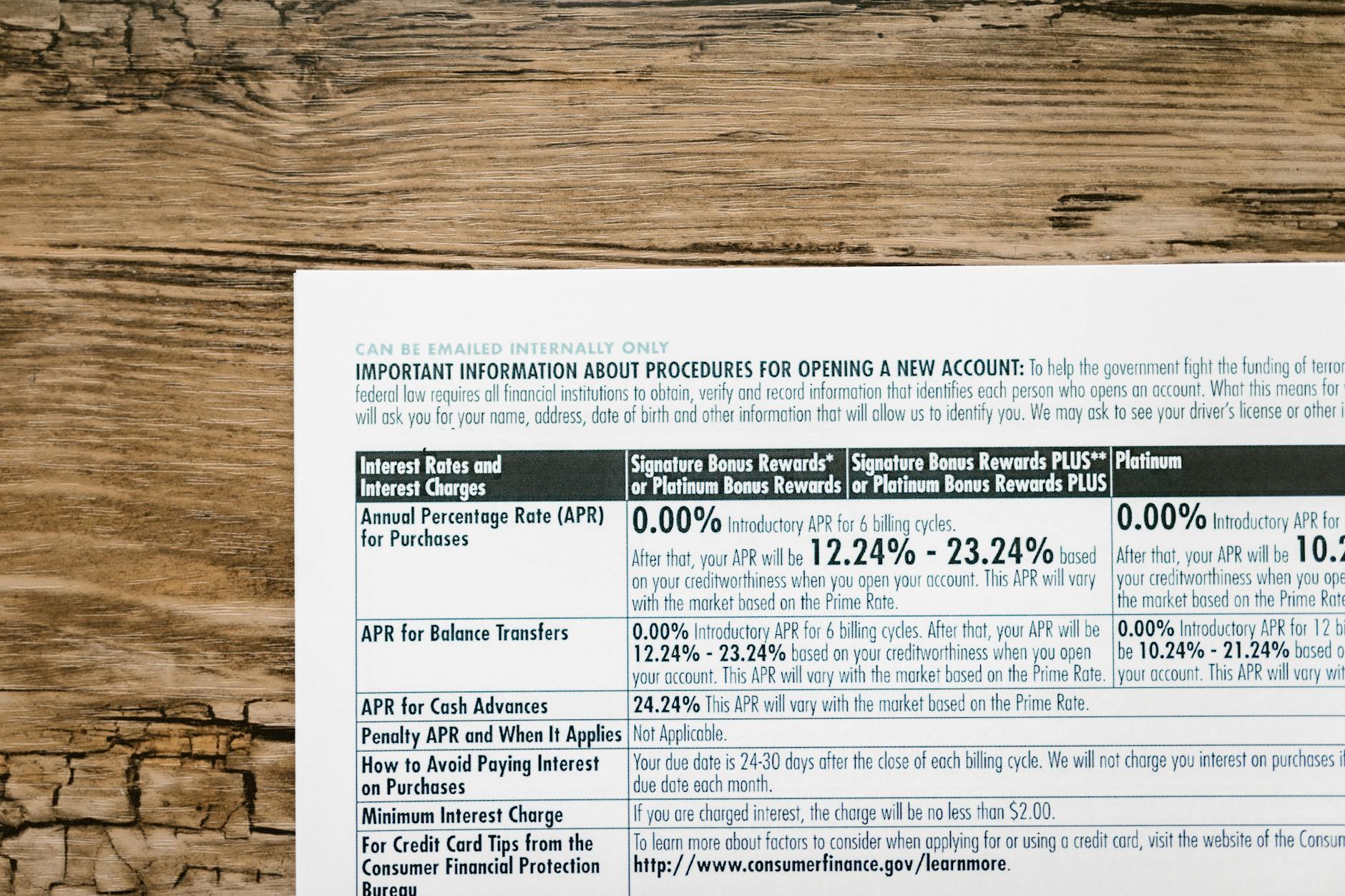
Discover it’s 5% subscription rate only applies to the first $1,500 in combined purchases per quarter, then drops to 1%. This means if you have five subscriptions totaling $300 per month, you’ll hit that cap after five months, and any additional subscription spending falls to the base rate. Additionally, bank rebates don’t offset the actual cost of subscriptions—they only reduce what you’re spending after the fact. If a service raises its price or you’re paying for subscriptions you don’t actively use, the rebate still applies to that wasted spending. The most overlooked limitation is that some premium cards carrying the best rebate rates charge annual fees ($95 to $695), so you need to calculate whether your subscription spending justifies the fee before applying.
Strategic Card Switching for Maximum Subscription Rebates
The most advanced users of bank rebates practice “category stacking” or “quarterly maximization” by shifting their subscription payments between cards based on which one offers the highest rate during a given period. If you’re eligible for multiple cards with rotating category bonuses, you can allocate your subscriptions to whichever card has the highest rate for that quarter. For instance, during a quarter when Discover it offers 5% on subscriptions, you’d charge recurring services to that card. When the bonus period ends and Discover it’s rate drops to 1%, you’d switch those services to Chase Freedom if it’s running its own 5% subscription quarter (Chase typically offers rotating categories like groceries, gas, restaurants, and sometimes subscriptions).
This strategy requires some management but can be genuinely rewarding. One practical example: suppose you have a $50/month Netflix subscription, a $15/month Hulu subscription, and a $10/month music service, totaling $75 monthly or $900 per year. If you strategically time your card usage to earn 5% for eight months of the year and 2% for four months, you’d earn roughly $42 annually versus $13.50 if you stuck with a single 1.5% card. The main tradeoff is that constant switching means managing multiple cards, monitoring which cards have active bonus categories, and avoiding the temptation to overspend on bonus categories just to chase rewards. Additionally, opening too many cards in a short period can negatively impact your credit score by increasing your number of hard inquiries.

How to Actually Track and Redeem Bank Rebates for Subscriptions
Most bank rebates are tracked in your card’s rewards dashboard, accessible through your card issuer’s website or mobile app. For cash back cards like Discover it or Chase Freedom, you’ll see a running total of rewards earned, usually redeemable at any time for a direct deposit, statement credit, or gift cards. With American Express, you may have options to transfer points to travel partners or redeem for various rewards beyond pure cash back. The process is straightforward: charge your subscription services to the card, and the rebate accumulates automatically. You’ll typically see the reward posted within 24 to 48 hours after the transaction posts to your account.
A key consideration is the minimum redemption threshold. Some cards let you redeem any amount above $1, while others require a $25 or $50 minimum before you can cash out. If you only have a few subscriptions, your rewards might accumulate slowly, taking months to reach a redemption threshold on a lower-earning card. One comparison: if you earn $5 per month in rebates on a card with a $25 minimum, you’d wait five months to redeem; if you earn $15 per month, you’d redeem in fewer than two months. Additionally, if your credit card issuer requires you to redeem by a certain date or you don’t actively track your rewards, they may expire—some older card programs had expiration policies, though most major issuers have removed these. The best practice is to set a phone reminder each quarter to check your rewards balance and redeem before any potential expiration.
Common Mistakes and Hidden Issues When Claiming Subscription Rebates
One major mistake is purchasing subscriptions with a card that doesn’t offer any bonus category for subscriptions and then not optimizing afterward. Many people default to their primary card without checking whether other cards in their wallet offer better rates for that specific purchase type. Another error is splitting subscription payments across multiple cards unnecessarily, which creates tracking headaches without additional benefits. Your bank only rewards you for money spent; splitting a $100 subscription into four $25 payments on different cards doesn’t increase your rewards—it just complicates your billing.
A particularly tricky issue is merchants using alternative payment processors that code differently than expected. For example, some subscription services let you pay through PayPal instead of directly, and the transaction might code under PayPal’s category instead of the subscription category, causing you to lose the bonus rate. Similarly, if you prepay an entire year of a service upfront, the bank sees it as a single large transaction and may apply different rules (some cards cap cash back per transaction as well as per quarter). A real-world scenario: purchasing a $200 annual software license might hit a per-transaction limit on some cards, whereas paying $20 monthly doesn’t. Additionally, if a card transitions out of a promotional period or your credit score changes, your eligibility for certain rebate cards may be affected, and you should re-evaluate your strategy annually rather than assuming the same card remains optimal.
Maximizing Rebates Beyond Just Cash Back Cards
While cash back cards are the most direct way to earn rebates on subscription payments, some banks offer bonus redemption multipliers or special programs. Some premium checking accounts from online banks offer automatic cash back on debit card purchases, sometimes at rates comparable to credit card rewards—typically 0.5% to 1.5%. If you have a subscription attached to a debit account and avoid credit cards entirely, this is worth considering. Additionally, some banks offer sign-up bonuses when you open a new credit card—a $200 cash back bonus after $500 in spending, for example. If you strategically time opening a new card before a major subscription annual renewal or when you’re signing up for several new services, you can combine the sign-up bonus with ongoing category rewards.
Another angle is employer benefits. Some corporate credit cards or employer-sponsored banking programs include perks specifically for subscriptions—flat discounts on Spotify or Netflix or additional cash back when paired with bank accounts. If your employer offers banking benefits, you should audit whether they include subscription discounts. Some corporate American Express cards, for instance, offer 5% or higher on subscriptions for premium tiers. The limitation here is that these benefits are often time-limited (only available for employees during a specific period) or tied to a corporate account you may lose if you leave the company, so they’re better viewed as temporary windfalls rather than long-term strategy.
The Future of Subscription Rebates and Staying Competitive
As subscription services proliferate and more spending moves to recurring charges, banks are increasingly competing on subscription-focused rewards categories. However, card issuers also adjust their programs to manage costs, so the rates and bonus categories you see today may not persist indefinitely. Discover it’s rotating 5% categories have remained stable for over a decade, but American Express and Chase have shifted their offerings multiple times. To stay competitive, they’re also introducing new card variants, specialty cards for specific subscription types (like a dedicated streaming card), and partnerships with subscription platforms that offer cashback rebates directly through the app rather than the card issuer.
Looking forward, the real trend is “no-card” alternatives gaining ground. Some banks now offer subscription management features where you can track all recurring charges in one dashboard and sometimes negotiate better rates directly. Additionally, many subscription services are building loyalty programs that compete directly with bank cash back—if Netflix or Spotify offers 10% back on in-account spending toward future subscriptions, that could be a stronger incentive than bank rewards. For now, traditional bank rebates remain the simplest and most universally applicable strategy, but the space is evolving quickly, so your annual review should include not just which card offers the best rate but whether entirely different approaches (subscription apps, direct service loyalty programs, or negotiated discounts) might outpace bank rebates.
Conclusion
Using bank rebates for subscription payments is one of the simplest ways to save money on services you’re already buying. By matching your subscription charges to a card offering a bonus rate in that category—whether a rotating 5% cash back card during a bonus quarter or a fixed-rate premium card—you can earn between $30 and $300+ annually depending on your total subscription spending. The key is knowing which subscriptions qualify, tracking which cards offer the best rates, and when necessary, switching cards quarterly to capture the highest available rewards.
The most practical starting point is to audit your current subscriptions, calculate your total monthly spending, and identify one card in your wallet that offers a bonus category for that spending. If you don’t have one, opening a card specifically for this purpose (like Discover it if you want rotating quarterly bonuses or American Express Platinum if you prefer fixed high rates) can pay for itself quickly through subscription rebates alone. Beyond that, periodic reviews—checking whether new card offers or program changes improve your rewards—ensure you stay on top of available benefits and don’t accidentally leave money on the table.
Frequently Asked Questions
Do all subscription services qualify for bank rebate categories?
No. Most major services like Netflix, Spotify, and Amazon Prime Video do qualify, but smaller apps and niche services sometimes code under different merchant categories like “general retail” and earn lower rates. Always verify with your card issuer whether a specific service qualifies before making a purchase decision.
What’s the difference between rotating and fixed cash back categories?
Rotating categories (like Discover it’s quarterly 5% bonus) change every three months and require activation, but offer higher rates. Fixed categories are permanent but usually at lower rates (like American Express’s fixed 3% on streaming). Rotating categories suit those who want maximum rewards; fixed categories suit those who prefer simplicity.
Can I earn rebates on subscription payments made through PayPal or third-party platforms?
Sometimes, but it depends on how the transaction codes. Paying Netflix directly with a card codes as a subscription; paying through PayPal might code under PayPal’s category instead, potentially earning a lower rate. Always pay directly with the subscription service when possible.
Is it worth opening a new credit card just to earn rebates on subscriptions?
Only if your annual subscription spending and rewards earned exceed the card’s annual fee. For example, if a card charges $95 annually but you earn $200 in subscription rebates, it’s worth it. If you spend only $50 monthly on subscriptions, a premium card with an annual fee likely isn’t justified.
How often should I review and switch cards for better subscription rebate rates?
At minimum, annually. Quarterly reviews are better if your cards have rotating bonus categories. Set a recurring reminder to check which cards offer the best subscription rates and whether your earning strategy still aligns with your spending patterns.
Will maximizing bank rebates hurt my credit score?
Opening multiple new cards in a short period can temporarily lower your score due to hard inquiries, but the impact is usually temporary. The benefits from rewards typically outweigh this if you manage the accounts responsibly and avoid overspending just to chase bonuses.
You Might Also Like
- How to Use Bank Rebates to Cover Streaming Costs
- How to Get Streaming Services Paid by Your Bank
- How to Turn Bank Credits Into Subscription Savings