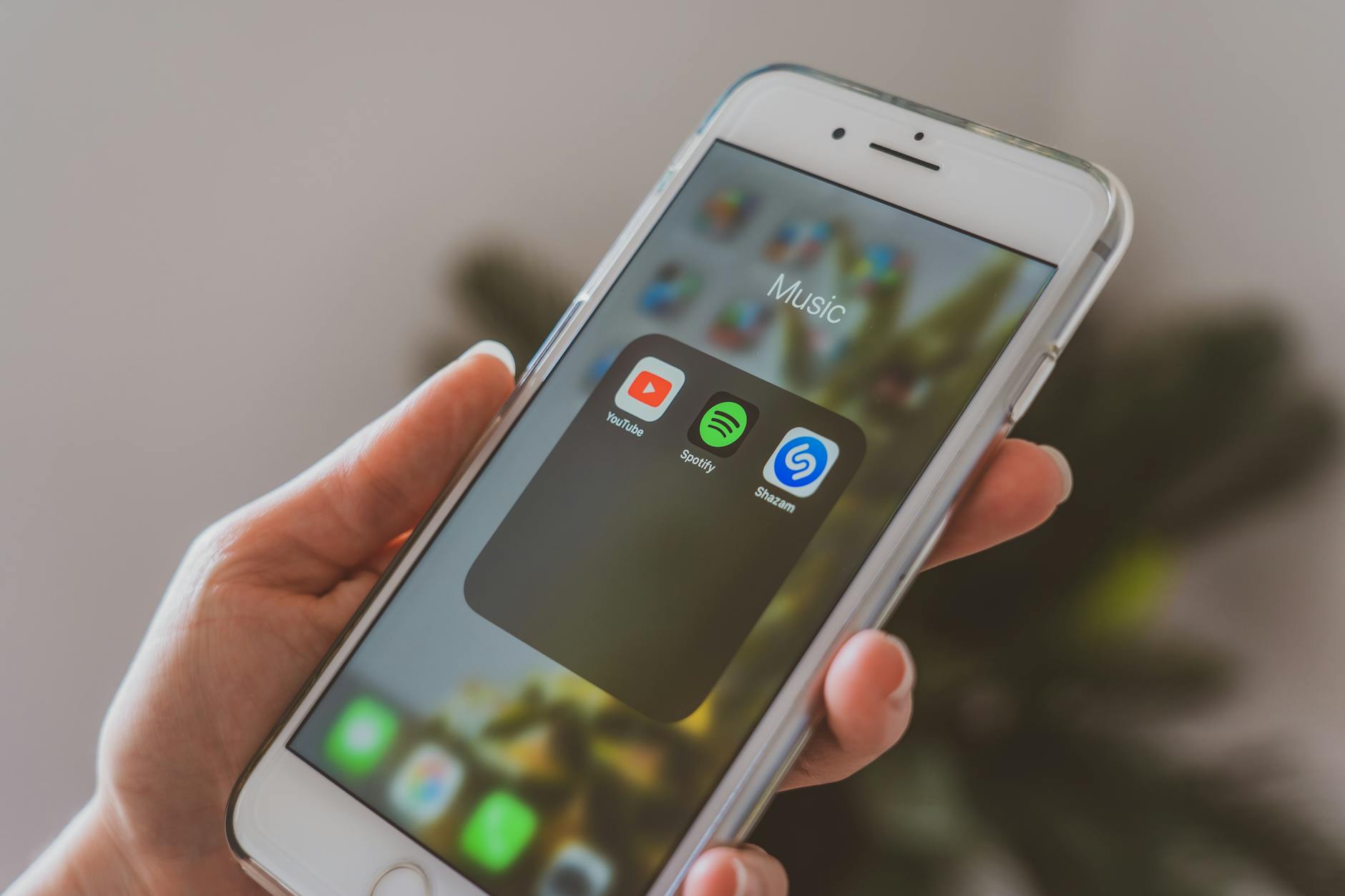

Many banks now offer free or discounted streaming service subscriptions as part of their premium checking or credit card benefits. Chase, American Express, Bank of America, and others bundle subscriptions to services like Apple TV+, Disney+, Spotify, and other platforms directly into their account benefits—meaning you get access without paying the monthly fees yourself. The simplest way to get these benefits is to sign up for or upgrade to a qualifying bank account or credit card, then log into your bank’s benefits portal to activate the streaming subscriptions you want.
A concrete example: Chase Sapphire Reserve cardholders receive a $300 annual travel credit, but they also get complimentary access to select streaming services through the Chase Offers platform. Similarly, some high-tier checking accounts waive the monthly membership cost for premium music streaming if you maintain a minimum balance. These benefits are real money in your pocket—if you were already planning to subscribe anyway, the banking benefit essentially pays for itself or knocks down the cost significantly.
Table of Contents
- Which Banking Benefits Actually Come With Streaming Services?
- How Bank Streaming Benefits Actually Work
- Real Examples of Bank-Sponsored Streaming Offers
- Steps to Activate and Access Your Streaming Benefits
- Common Problems and Important Limitations
- Combining Multiple Bank Benefits for Maximum Savings
- The Future of Banking and Streaming Partnerships
- Conclusion
- Frequently Asked Questions
Which Banking Benefits Actually Come With Streaming Services?
Not all banks offer streaming perks, and the specific services vary widely depending on your account type and card tier. Premium checking accounts, business accounts, and high-end credit cards are the most likely to include streaming benefits. For instance, some Amex cards include a complimentary Audible membership or Apple TV+. Certain versions of Chase checking accounts offer discounted or free access to entertainment subscriptions through partnerships.
The key limitation: these benefits are almost always tied to maintaining the account or card. Close the account or downgrade your card tier, and the free streaming access typically disappears. Additionally, some benefits are only partial—you might get a discount rather than full coverage, or a limited trial period before reverting to standard pricing. Always read the fine print on your specific account’s benefits guide to confirm what’s actually included.

How Bank Streaming Benefits Actually Work
Banks partner with streaming platforms through corporate deals that allow them to offer reduced or waived subscription costs to their customers. When you activate a benefit through your bank’s portal, you’re typically linking your bank account or card to the streaming service, which then grants you access. Some benefits are automatic upon meeting account requirements, while others require you to opt in through a dedicated dashboard or mobile app. One major consideration: some streaming benefits are shared across household members (like a family Spotify plan), while others are strictly individual accounts.
If you’re banking with a partner or spouse, you might both need separate benefits activations, or you might need to negotiate sharing a single activation. Additionally, promotional benefits can change or be discontinued. A bank might offer free Hulu for two years as part of a new account bonus, then discontinue it in favor of different partnerships. Review your account benefits annually to stay informed about what’s currently available.
Real Examples of Bank-Sponsored Streaming Offers
American Express Platinum Card members receive up to $15 in monthly Uber Cash (or Uber Eats purchases), but they also gain access to select entertainment benefits through specific partnerships that vary by region. Some versions include complimentary subscriptions to streaming services, though these can change. A customer signing up for Amex Platinum primarily for travel benefits might discover the bundled entertainment access as a bonus that offsets additional costs elsewhere.
Bank of America Premium Rewards checking account holders often get eligibility for discounted or promotional streaming service offers through the bank’s partnership platform. The actual benefit varies by region and by when the account was opened, which means two customers with the same account type might have different streaming benefits available. This inconsistency is a real drawback—you need to check your specific account’s benefits portal rather than assuming what a friend has access to.

Steps to Activate and Access Your Streaming Benefits
Start by identifying your account type (checking, credit card, investment account) and determining what tier or level you have. Log into your bank’s website or mobile app and look for a “benefits,” “offers,” or “perks” section. Most major banks have a dedicated page or app that lists all account benefits, including streaming services. From there, you’ll typically click on the streaming service benefit you want and follow prompts to either link to an existing account or create a new one.
The typical process takes five to ten minutes, but you’ll need to confirm your bank account or card details. A major tradeoff: some banks limit how often you can activate or deactivate benefits. If you sign up for a streaming service benefit, cancel it a month later, and want to reactivate it, the bank might not allow that or might impose waiting periods. Keep this in mind if you’re uncertain whether you’ll actually use the service—it’s better to wait than to activate and then find yourself unable to reactivate when you actually want it.
Common Problems and Important Limitations
One frequent issue: billing snafus. Sometimes a streaming benefit activates successfully, but the bank and the streaming service don’t fully sync the payment information. You might receive a bill from the streaming platform even though the bank was supposed to cover it. Resolution usually involves contacting your bank’s benefits support line, but it can take a few days to sort out.
Keep records of confirmation emails or screenshots showing that you activated a benefit—these help when disputing charges. Another limitation is compatibility and account restrictions. Some benefits require you to be a new customer to the streaming service, meaning if you already have a Spotify account (even if you’ve downgraded to free), you might not qualify for the bank’s complimentary premium membership offer. Additionally, certain benefits lock you into contracts or make cancellation harder than usual. A bank benefit might grant you a free trial period, but canceling after the trial requires contacting customer service rather than a simple button click—and sometimes the cancellation request gets lost in the shuffle, resulting in unexpected charges.

Combining Multiple Bank Benefits for Maximum Savings
If you have multiple bank accounts or credit cards, you can theoretically stack some benefits. For example, if one card offers Apple TV+ and another offers Spotify Family Plan credits, and you have a checking account with Hulu discounts, you could layer these benefits across different accounts or household members. However, most banks prohibit account holder from using the same benefit twice, and streaming platforms typically don’t allow multiple simultaneous benefits to apply to one account.
A real scenario: A family with multiple accounts might designate one person’s checking account for the Hulu benefit, another person’s card for Apple TV+, and a third account for Spotify. This requires coordination and communication within the household, and it only works if you genuinely have access to multiple qualified accounts. Single account holders won’t see much additional value here.
The Future of Banking and Streaming Partnerships
As competition intensifies among banks for customer retention, streaming benefits are likely to become more generous or more varied. Banks are increasingly using entertainment perks as a way to differentiate themselves from competitors—offering not just one or two streaming services but entire bundles. At the same time, streaming platforms are facing pressure from subscription fatigue, making them more willing to accept bank partnerships that reduce their perceived cost barrier to entry.
However, these benefits are also vulnerable to corporate changes. If a bank decides to streamline its benefits portfolio or a streaming service ends a partnership, individual benefits can disappear with little notice. The most reliable way to benefit from these offers is to use them when they’re available, but not to plan your long-term entertainment budget around them. Treat them as bonuses rather than as permanent solutions.
Conclusion
Free or discounted streaming services through banking benefits are a real opportunity to reduce your entertainment costs—but they require active management. Start by identifying which benefits your specific account qualifies for, then activate the ones that align with services you actually use. Avoid the trap of activating benefits just because they’re available; the less you use a service, the less value the benefit provides.
Take the next step by logging into your bank’s online portal today to review your current benefits. You might find subscriptions you didn’t know were available, or you might discover that a previous benefit has been discontinued. Pair this with annual reviews (or whenever you switch banks) to stay informed about what’s available. Free streaming is worth 15 minutes of setup time—just don’t let the process become a source of billing confusion or unwanted charges later.
Frequently Asked Questions
Can I use a bank’s streaming benefit on a account I already have with that service?
Usually not. Most benefits require you to be new to the streaming service or to link a fresh account. If you already subscribe to Spotify with a personal account, the bank’s benefit for complimentary Spotify Premium might not apply.
What happens to my streaming access if I close my bank account?
It ends. The streaming subscription is directly tied to your account status. If you downgrade your card tier or close your checking account, the benefit deactivates immediately. You’ll need to transition to paying for the service on your own or switch to a free tier.
Can my spouse and I both use streaming benefits from the same bank account?
Not typically. Most benefits are limited to one activation per account holder. You’d both need separate accounts or cards to each claim a benefit, though some family-plan benefits might share costs across household members.
How often do banks change their streaming benefits?
Frequently. Banks update their partnership portfolios regularly, especially when promotional periods end or corporate strategies shift. What’s available today might be gone in six months.
Do I need to pay for a premium account to get streaming benefits?
Not always. Some standard checking accounts include benefits, but premium accounts and premium credit cards are more likely to offer streaming services. High-fee accounts often come with these perks bundled in.
What if I’m charged for a streaming service I thought was covered by my bank benefit?
Contact your bank’s customer service or benefits support line immediately. Provide documentation of your benefit activation, and they should investigate the charge. Disputes can typically be resolved within a few business days.