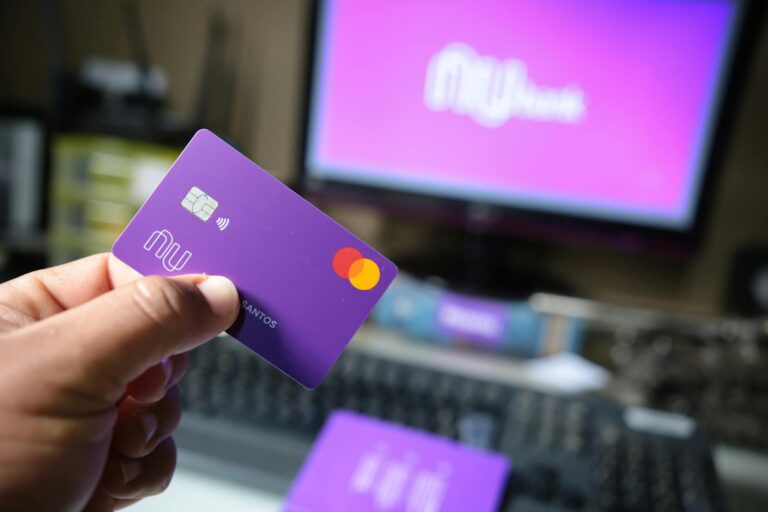

The short answer is there’s no major debit card currently offering free Hulu as a direct benefit. While this headline might suggest otherwise, the reality of how streaming promotions work with banking products is more nuanced—and often depends on your payment method, wireless carrier, or the type of account you hold. If you’re looking to access Hulu without paying full price, there are legitimate pathways available, but they typically don’t come exclusively through debit cards. This article breaks down what’s actually available in 2026, explains why debit cards lag behind credit cards in streaming perks, and shows you the methods that genuinely work for getting free or discounted Hulu access.
Table of Contents
- Why Debit Cards Don’t Come With Free Hulu Offers
- The Universal Free Trial Alternative Available to All Cardholders
- Mobile Carrier Bundles—The Real Free Hulu Deals
- Credit Card Rewards Programs Beat Debit Card Offers Every Time
- Bank-Specific Debit Programs Fall Short on Streaming Perks
- How to Actually Minimize What You Pay for Hulu
- What’s Ahead for Banking and Streaming Partnerships
- Conclusion
Why Debit Cards Don’t Come With Free Hulu Offers
Debit cards are fundamentally different from credit cards when it comes to rewards and promotions. Banks that issue debit cards make money primarily through account fees, overdraft charges, and transaction processing—not through rewards spending like credit card issuers. When streaming services like hulu want to partner with financial institutions for promotional offers, they target credit card companies because those partnerships generate affiliate revenue and help card issuers differentiate their products.
Debit card holders are seen as a lower-value customer segment in these negotiations, which is why you’ll rarely see banks bundling premium streaming services with basic debit cards. Even premium debit card accounts like Capital One 360 come with no annual fees and no maintenance charges, but they also don’t include entertainment perks. The sad reality is that from a marketing perspective, if you’re using a debit card, you’re not offering the same growth potential that a customer with a credit card represents.
The Universal Free Trial Alternative Available to All Cardholders
Here’s where the good news kicks in: Hulu offers a 30-day free trial on its ad-supported plan to all new subscribers, regardless of how you pay. If you’re interested in Hulu + Live TV, you get three free days instead. These trials don’t discriminate based on whether you use a debit card, credit card, or even PayPal—the eligibility depends only on whether you’re new to the service or a returning subscriber meeting Hulu’s criteria.
The catch is that you need to provide a payment method on file, and after the trial period ends, you’ll be charged whatever plan you selected. Some users strategically cycle through free trials using different email addresses, though Hulu’s terms of service technically require each account to represent a different person. A more sustainable approach is to use the free trial when you actually need it, then cancel if the service doesn’t fit your life rather than playing the trial shuffle game indefinitely.
Mobile Carrier Bundles—The Real Free Hulu Deals
If you’re willing to change how you think about the problem, mobile carriers have become the major players in free Hulu access. T-Mobile customers on the Go5G Next or Experience Beyond plans receive one year of free Hulu with ads included at no additional charge as of 2026. Similarly, Verizon customers on the GetMore or PlayMore 5G plans get a bundle that includes Hulu (ad-supported), Disney+ Premium (no ads), and ESPN Select access at no extra cost.
These aren’t debit card benefits—they’re wireless plan benefits—but they’re substantially more valuable than any standalone debit card promotion you’ll find. The limitation is that you need to qualify for the right mobile plan and be willing to commit to a carrier. For example, if you’re a Verizon customer paying $85 per month for a GetMore plan primarily for data, the included Hulu + Disney+ + ESPN is genuinely free value on top. However, if you’re paying for the plan anyway and would only use Hulu occasionally, the benefit is real even if it’s not the primary reason you’d choose the carrier.

Credit Card Rewards Programs Beat Debit Card Offers Every Time
This is the uncomfortable truth for debit card advocates: credit cards in the premium tier have actual ongoing rewards for streaming purchases, while debit cards have virtually nothing. The American Express Blue Cash Preferred card offers up to $120 per year in statement credits for Disney streaming purchases made directly on Hulu.com, with a $10 monthly cap. If you spend $10 per month on Hulu (a reasonable amount for a basic plan), you’re getting the entire annual cost reimbursed. The American Express Platinum card goes further with up to $300 in annual digital entertainment credits ($25 per month maximum) for eligible Hulu purchases made directly with the card.
These aren’t promotions that run for a limited time—they’re permanent card benefits. The tradeoff is that both of these cards have annual fees ($95 for Blue Cash Preferred, $695 for Platinum), so the math only works if you’re already using the card for other benefits. A practical scenario: if you’re a Platinum cardholder already paying $695 for other benefits like airline transfers and concierge service, getting $300 in entertainment credits makes Hulu essentially free as a bonus. With a debit card from your bank, you’ll never encounter these opportunities because banks don’t compete on ongoing rewards in the same way credit card issuers do.
Bank-Specific Debit Programs Fall Short on Streaming Perks
Some large banks do offer debit card programs designed to provide cardholders with benefits and discounts. Bank of America, for example, offers BankAmeriDeals, which gives debit cardholders exclusive offers at partner merchants. However, a review of current BankAmeriDeals offerings does not list Hulu as a participating merchant or include streaming-specific discounts.
Capital One 360, known for its consumer-friendly approach and lack of monthly fees, offers a straightforward debit card with no special perks beyond no overdraft fees and no minimum balance requirements. While these products are valuable for their fee structures, they don’t prioritize entertainment or streaming discounts. The reason becomes clear when you examine the business model: a basic savings account with a debit card generates minimal profit for the bank, so incentivizing Hulu usage wouldn’t move the needle on the bank’s bottom line. Premium banking tiers like wealth management accounts or business accounts sometimes include concierge services that could help with entertainment purchases, but consumer debit cards simply aren’t positioned as lifestyle benefit products the way credit cards are.

How to Actually Minimize What You Pay for Hulu
If you’re determined to get Hulu for the lowest possible cost, your best strategy involves layering legitimate offers. Start by checking if your wireless carrier includes Hulu in a plan you’re already considering—this is the most direct path to free access. If you’re not eligible for carrier bundles, evaluate whether a premium credit card like the Amex Blue Cash makes sense for your overall spending patterns.
If you don’t want a credit card, the 30-day free trial on an ad-supported plan costs nothing and gives you legitimate time to decide if the service fits your entertainment habits. Many people find that after the trial, paying $8–10 per month for ad-supported Hulu fits their budget fine, which works out to $100 annually—less than a single concert ticket or dinner out. The key is not getting trapped in “free trial renewal” cycles or constantly switching payment methods to chase promotions; instead, align Hulu access with a payment method or service you’re already using for other reasons.
What’s Ahead for Banking and Streaming Partnerships
The landscape of how banks market to consumers has shifted over the past five years, with wireless carriers and premium credit card issuers emerging as the primary distributors of streaming perks. It’s unlikely we’ll see major debit card issuers suddenly bundling Hulu in the near term because the financial incentives don’t align.
However, emerging fintech banks and niche financial products sometimes experiment with entertainment bundling to differentiate themselves, so periodic monitoring of new account offerings could uncover something unexpected. Meanwhile, Hulu’s pricing and promotional structure itself is in flux—the service has shifted toward higher-priced ad-free tiers, making bundled ad-supported access through carriers increasingly valuable. Looking forward, if you’re opening a new bank account or reconsidering your wireless carrier, the entertainment bundling aspect deserves a line item in your decision-making, not because debit cards will offer it, but because your carrier or credit card company might be your real path to free streaming.
Conclusion
The premise of getting free Hulu “just by paying with the right debit card” doesn’t match the current market reality, but the broader question—how to access Hulu affordably—has multiple legitimate answers. Mobile carriers like T-Mobile and Verizon offer genuine free Hulu access bundled into qualified plans, premium credit cards provide ongoing cashback on streaming purchases, and the universal 30-day free trial is available to everyone with any payment method.
Debit cards themselves rarely come with streaming perks because banks don’t compete on these benefits; the rewards strategy belongs to credit card issuers and carrier partnerships. If you’re focused on minimizing your Hulu costs, your time is better spent evaluating whether a carrier bundle applies to you or whether a premium credit card’s entertainment credits align with your spending patterns than hoping to find a debit card with special perks.