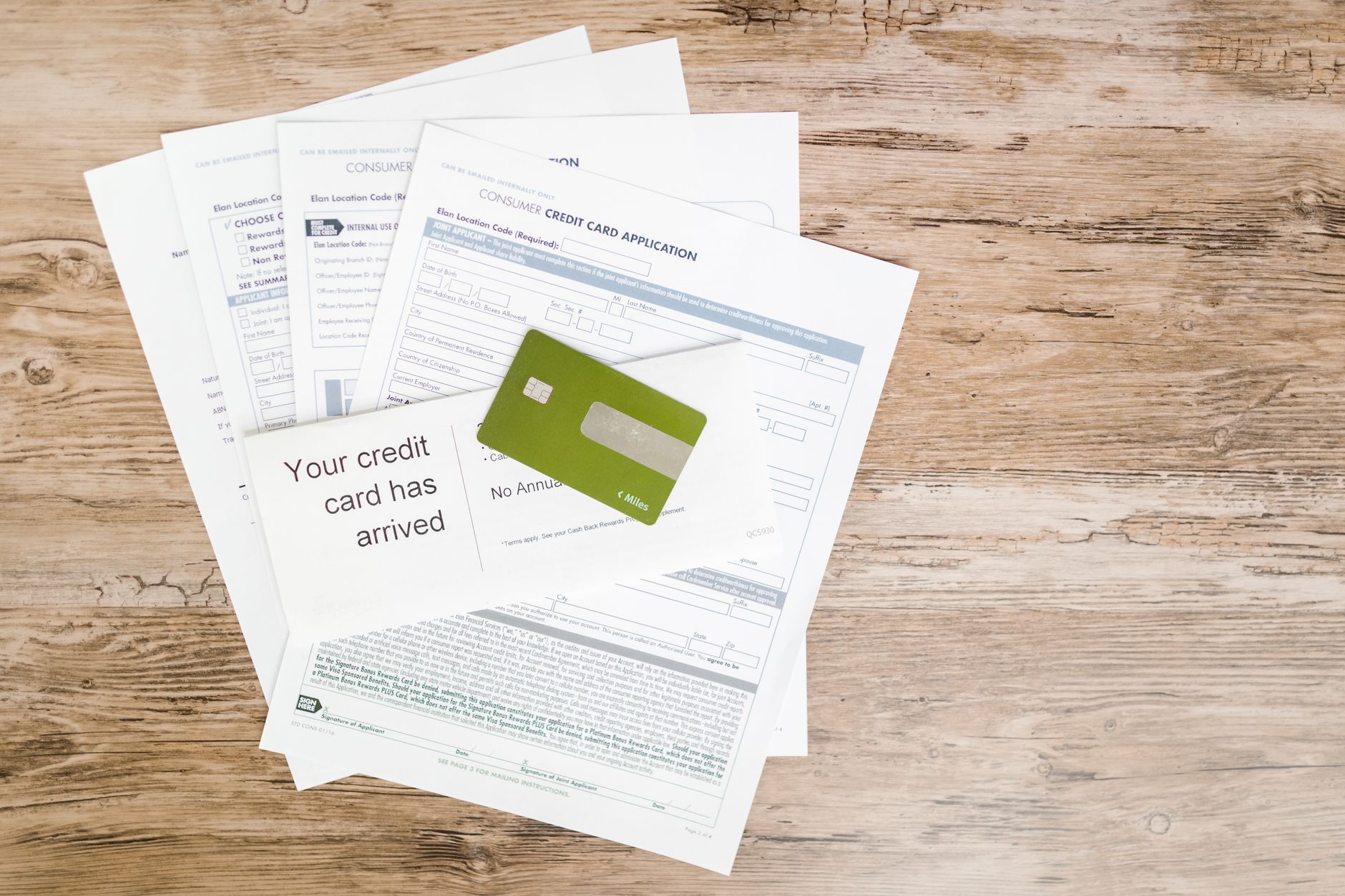
You do not need a minimum credit score to open a premium bank account. No U.S.
deposit account, including premium checking, carries a published minimum FICO score, Bankrate reports in its ChexSystems explainer. Premium checking is a top-tier checking account tied to higher balances and extra service benefits. Approval centers on banking history and deposit relationships, not a credit-score cutoff.
Table of Contents
- What banks check instead of scores
- Does opening premium checking change your score?
- What premium tiers actually require
- What to do after a denial
What banks check instead of scores
The Consumer Financial Protection Bureau describes ChexSystems as a reporting system for checking-account applications, openings and closures in its reporting-companies list. The file can include closure reasons to help banks verify new accounts.
The same bureau says involuntary closure for an unpaid negative balance is typically reported to checking-reporting firms. That type of record can limit approval for future accounts, even with strong credit.
Does opening premium checking change your score?
Experian states that opening or closing a checking account has no direct effect on credit scores in its checking-versus-savings guide. Banks do not report deposit activity to Experian, TransUnion or Equifax.
Flagstar says applicants for its Elite premium checking may receive a soft credit pull for review. That check is a soft pull, a background review that does not affect the applicant score.
What premium tiers actually require
Citi sets Citigold eligibility at a combined average monthly balance of at least $200,000 in its Citigold banking page. The balance spans linked eligible deposits, retirement and investments, not a credit-score cutoff. JPMorgan Chase describes Private Client Checking as access to a dedicated banker and J.P.
Morgan wealth guidance. Benefits include no ATM fees worldwide and no Chase wire fees. Its page lists relationship benefits and no FICO score minimum.
What to do after a denial
Applicants denied a checking account based on that report must receive the company name and contact, according to the Consumer Financial Protection Bureau. The Bureau says consumers may request one free checking-account report every 12 months to review or dispute errors.
Pull that file before you apply for a bonus or balance tier. It lets you fix errors that could block approval.
- Ask the bank which reporting company supplied the denial.
- Request your free checking-account report for that 12-month period.
- Review closure reasons and dispute any error through the reporting company.
You Might Also Like
- Can You Open a BMO Bank Account Online From Another State?
- Ally Bank Savings Account Vs Online Banks That Pay You to Open One
- Savings Account vs Checking Bonus: Which Earns More This Year?