

CIT Bank’s Platinum Savings account offers a $300 signup bonus if you maintain a $25,000 opening deposit and keep that balance in the account for the required holding period. This is one of the more generous cash bonuses available in the high-yield savings market, though the balance requirement is higher than many competing offers. For example, if you have $25,000 sitting in a low-yield savings account earning 0.01% APY, moving it to CIT Bank’s Platinum Savings gets you both the $300 bonus and a significantly higher interest rate on your balance—potentially earning an extra $200+ per year in interest alone, depending on the current APY.
The offer appeals to customers who need a safe place to park a substantial emergency fund or short-term savings while earning competitive interest rates. However, the $25,000 minimum is a genuine barrier for many savers, making this bonus best suited for people who already have that amount available to deposit. Before applying, it’s important to verify the current bonus terms on CIT Bank’s website, as promotional offers change frequently and new account requirements may apply.
Table of Contents
- What Is the CIT Bank Platinum Savings $300 Bonus, and Who Qualifies?
- How the $25,000 Balance Requirement Works
- Interest Rates and Total Earnings Potential
- Comparing CIT Bank’s Offer to Other High-Yield Savings Promotions
- Tax Implications and How the Bonus Is Reported
- The Application Process and Timeline
- Future Outlook and Account Sustainability
- Conclusion
- Frequently Asked Questions
What Is the CIT Bank Platinum Savings $300 Bonus, and Who Qualifies?
The $300 bonus is a one-time deposit incentive offered by CIT bank to new customers who open a Platinum savings account and meet specific deposit and holding requirements. To qualify, you must be a new CIT Bank customer (defined as having no CIT Bank deposit accounts open in the past 12 months), open the account with at least $25,000, and maintain that minimum balance for a set period—typically 60 to 90 days, though the exact timeframe varies by promotional period.
Beyond the balance requirement, standard banking eligibility rules apply: you must be at least 18 years old, have a valid Social Security Number, and pass CIT Bank’s identity verification and account opening screening. CIT Bank uses ChexSystems to verify your banking history, so a record of frequent overdrafts, fraud, or closed accounts could result in a denial. For example, if you were flagged for fraudulent activity at another bank three years ago but it’s since been resolved, you should still disclose this when opening the account or contact CIT Bank directly to clarify your eligibility.

How the $25,000 Balance Requirement Works
The $25,000 minimum deposit is not just an initial requirement—you must maintain that balance throughout the promotional period to receive the bonus. This means you can deposit $25,000 and let it sit, earning interest, but if you withdraw even $1 and drop below $25,000, you may forfeit the bonus. Some banks have been known to be lenient if the account dips below the minimum for just a few days, but cit Bank’s specific policy should be verified directly with customer service before opening the account.
A major limitation of this requirement is opportunity cost and flexibility. If you maintain $25,000 in savings while you could invest it or use it elsewhere, the $300 bonus only represents a 1.2% return on that capital—good for a one-time incentive, but modest compared to other potential uses of that money. Additionally, if you anticipate needing access to that $25,000 within the next few months, this offer may not be practical, since withdrawing it would disqualify you from the bonus.
Interest Rates and Total Earnings Potential
CIT Bank’s Platinum Savings account earns a competitive APY (Annual Percentage Yield) on your balance. As of early 2026, rates for high-yield savings accounts range from 4.0% to 5.0%, depending on market conditions, so CIT Bank’s rate will fall somewhere in that range. The actual interest earned depends on the current APY and how long you keep the money in the account. For example, a $25,000 balance earning 4.5% APY generates approximately $1,125 in annual interest, or roughly $281 over three months—meaning your total return over a quarter could be $581 ($300 bonus plus $281 in interest).
When combined with the $300 bonus, the true value of opening this account depends heavily on the current interest rate environment. In a higher-rate environment (4.5% to 5.0% APY), you’re getting both a meaningful lump-sum incentive and strong ongoing returns. However, if rates are lower or declining, the interest component becomes less compelling, and the $300 bonus becomes the primary draw. It’s worth comparing CIT Bank’s current APY with other high-yield savings options before committing, since the bonus alone might not justify the account if the interest rate is below-market.

Comparing CIT Bank’s Offer to Other High-Yield Savings Promotions
Other banks offer competing signup bonuses, though most have lower balance requirements. Marcus by Goldman Sachs, for instance, frequently offers $100 to $200 bonuses with just a $500 or $1,000 minimum deposit. Ally Bank has run promotions offering $100 to $200 bonuses with similar low deposit thresholds.
The tradeoff is clear: CIT Bank’s $300 bonus is higher, but it requires 25 to 50 times more money upfront. For customers with $25,000 available, the decision often comes down to interest rates and account features rather than the bonus alone. If CIT Bank offers a 0.25% higher APY than a competitor and you’re holding the money for years, that higher rate compounds and may exceed the value of a larger initial bonus at another institution. Conversely, if you only plan to hold the account for six months and then move the money, locking in a $300 bonus with a competitive rate may be the smarter choice than chasing a slightly higher rate at a different bank with a lower bonus.
Tax Implications and How the Bonus Is Reported
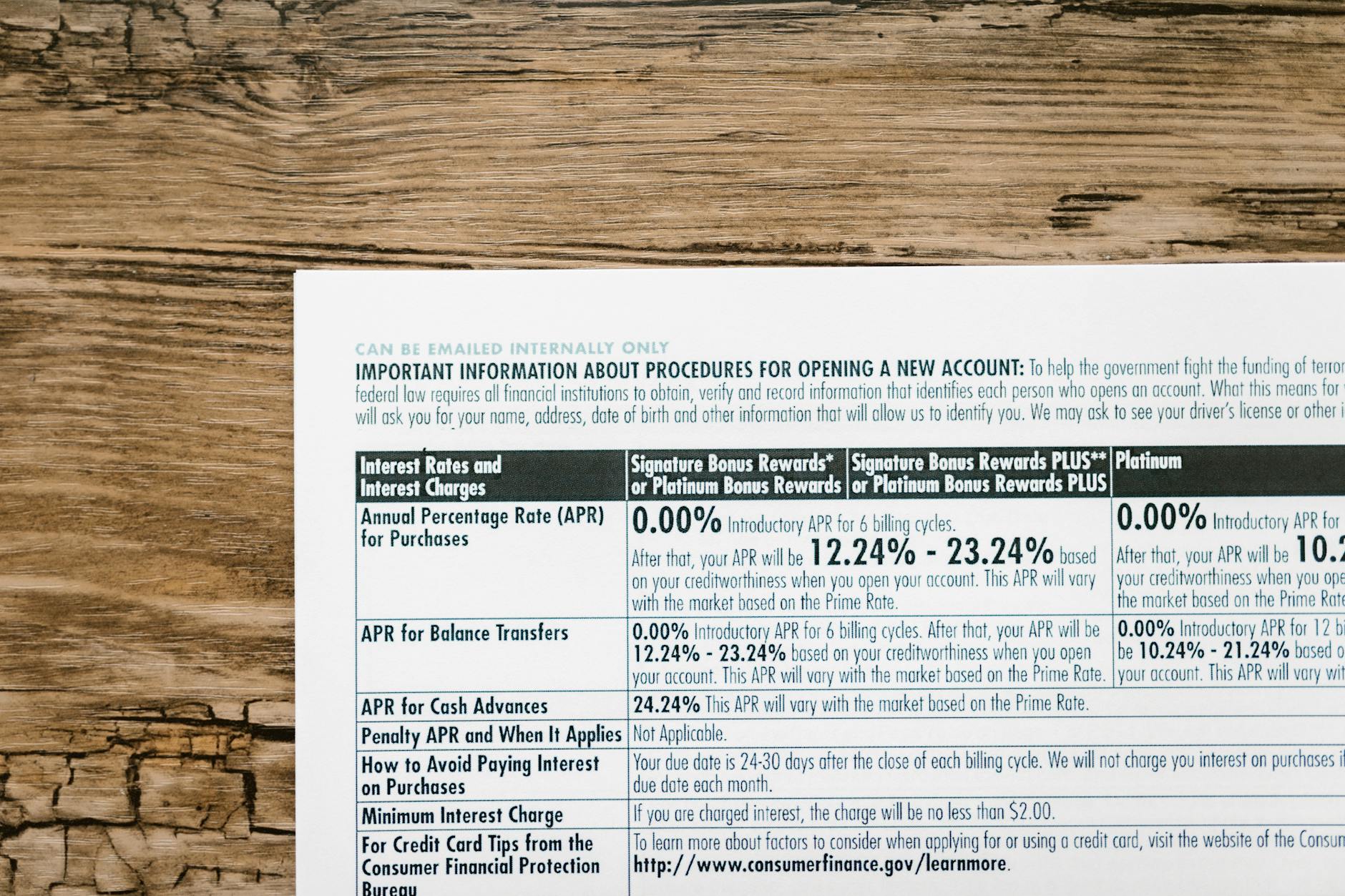
The $300 bonus is considered taxable income by the IRS and will be reported to you on a 1099-INT form (if the bonus plus interest reaches $10 or more in a calendar year) or included in interest statements. This means you’ll owe federal income tax on the $300, and potentially state income tax depending on your jurisdiction. For someone in the 24% federal tax bracket, the after-tax value of the $300 bonus is closer to $228, which is an important reality check when evaluating the offer. A common pitfall is assuming the $300 is free money.
It isn’t—it’s income, and if you’re not expecting it or don’t set aside money for taxes, you could face a surprise tax bill next April. Additionally, receiving a large deposit and interest may affect your tax situation in other ways. For example, if you’re eligible for means-tested benefits based on liquid assets, a sudden $25,000+ deposit could temporarily push you above the threshold. If this is a concern, consult a tax professional before applying.
The Application Process and Timeline
Opening a CIT Bank Platinum Savings account online typically takes 10 to 15 minutes. You’ll provide personal information, verify your identity, link a funding source (an external bank account), and deposit at least $25,000. CIT Bank generally funds deposits within 1 to 2 business days. Once your account is open and the minimum balance is confirmed, the $300 bonus is usually credited within 30 to 60 days—though some promotions specify a longer timeline.
For example, you might open the account on April 15, wait for your $25,000 deposit to clear on April 17, and then see the $300 bonus post to your account by May 15 or June 15. The delay between account opening and bonus posting is important to note if you’re planning to use the money for something specific. You can’t assume you’ll have the bonus immediately, so don’t factor it into near-term spending plans. Additionally, make sure you read the fine print for any promotional code or link required to qualify—some bonuses only apply if you open the account through a specific referral or affiliate link, and opening through the main website might not trigger the promotion.
Future Outlook and Account Sustainability
High-yield savings offers are cyclical, tied to Federal Reserve interest rates and bank funding needs. When interest rates are high, banks offer generous bonuses and competitive APYs to attract deposits. When rates fall, bonuses shrink and APYs decline. CIT Bank’s Platinum Savings account has been a consistent player in the market, but the current bonus offer may not last indefinitely.
If you’re considering this account, the offer’s availability is an argument for acting sooner rather than later, as promotional terms can change monthly. Looking ahead, the decision to open this account should also factor in your broader financial strategy. If you’re building an emergency fund, a high-yield savings account makes sense. If you’re trying to maximize short-term gains, the $300 bonus combined with competitive interest rates may fit your needs. However, if you’re saving for long-term goals like retirement or investing, the safety and modest returns of a savings account may not be your best option—you might earn more by taking on some market risk in stocks or bonds, depending on your timeline and risk tolerance.
Conclusion
CIT Bank’s Platinum Savings $300 bonus with a $25,000 balance requirement is a legitimate offer for customers who have that amount available to deposit and want a high-yield savings account. The combination of the $300 bonus plus competitive APY can deliver strong returns for parking cash in a liquid, FDIC-insured account. However, the high balance requirement limits its accessibility, and the bonus’s after-tax value is considerably less than the headline number suggests.
Before opening the account, confirm the current terms on CIT Bank’s website, verify how the promotion is triggered, understand the exact timeline for the bonus posting, and compare the APY to other institutions. If your money will be needed within the next few months or you anticipate dropping below the $25,000 minimum, this offer may not be worth pursuing. But for customers with stable, medium-term savings and $25,000 to move, CIT Bank’s Platinum Savings account is a credible option in the competitive high-yield savings landscape.
Frequently Asked Questions
What happens if my balance drops below $25,000 after opening the account?
If you fall below the $25,000 minimum balance during the promotional period (typically 60-90 days), you risk forfeiting the $300 bonus. Some banks allow brief dips below the minimum, but CIT Bank’s specific policy should be verified directly with customer service. Once the promotional period ends, you may be able to withdraw funds without penalty, though some accounts have ongoing minimum balance requirements.
Do I have to keep my money in CIT Bank’s Platinum Savings forever?
No. Once the promotional period ends and the bonus is posted, you’re free to withdraw your money, transfer it elsewhere, or keep it earning interest. There are no lock-in periods or early withdrawal penalties on savings accounts. However, the bonus itself is only paid once, so the main incentive to stay is the ongoing interest rate.
Will the $300 bonus affect my credit score?
No. The bonus is not a loan or line of credit—it’s a deposit incentive. Opening a savings account does not trigger a hard credit inquiry and will not impact your credit score. CIT Bank may do a soft pull to verify your identity, but this doesn’t show on your credit report.
What if I’m denied after applying?
If CIT Bank denies your application, it’s usually due to ChexSystems issues, insufficient identity verification, or a previous fraud flag. You can request a copy of your ChexSystems report online and dispute inaccuracies. You can then contact CIT Bank to explain any issues before reapplying, or you can wait 30-60 days and reapply.
Is the interest rate on CIT Bank’s Platinum Savings locked in?
No. Like all savings accounts, CIT Bank’s APY fluctuates with market conditions and the Federal Reserve’s policy. Your rate can change monthly, and CIT Bank is not obligated to match competitors’ rates. Monitor your account’s APY and consider switching if rates fall significantly below the market.
How is the $300 bonus taxed?
The bonus is treated as taxable interest income and reported on a 1099-INT form if your total interest (bonus plus earned interest) exceeds $10 in a calendar year. You’ll owe federal income tax at your marginal rate, plus any applicable state income tax. Set aside money for taxes or consult a tax professional to understand your liability.