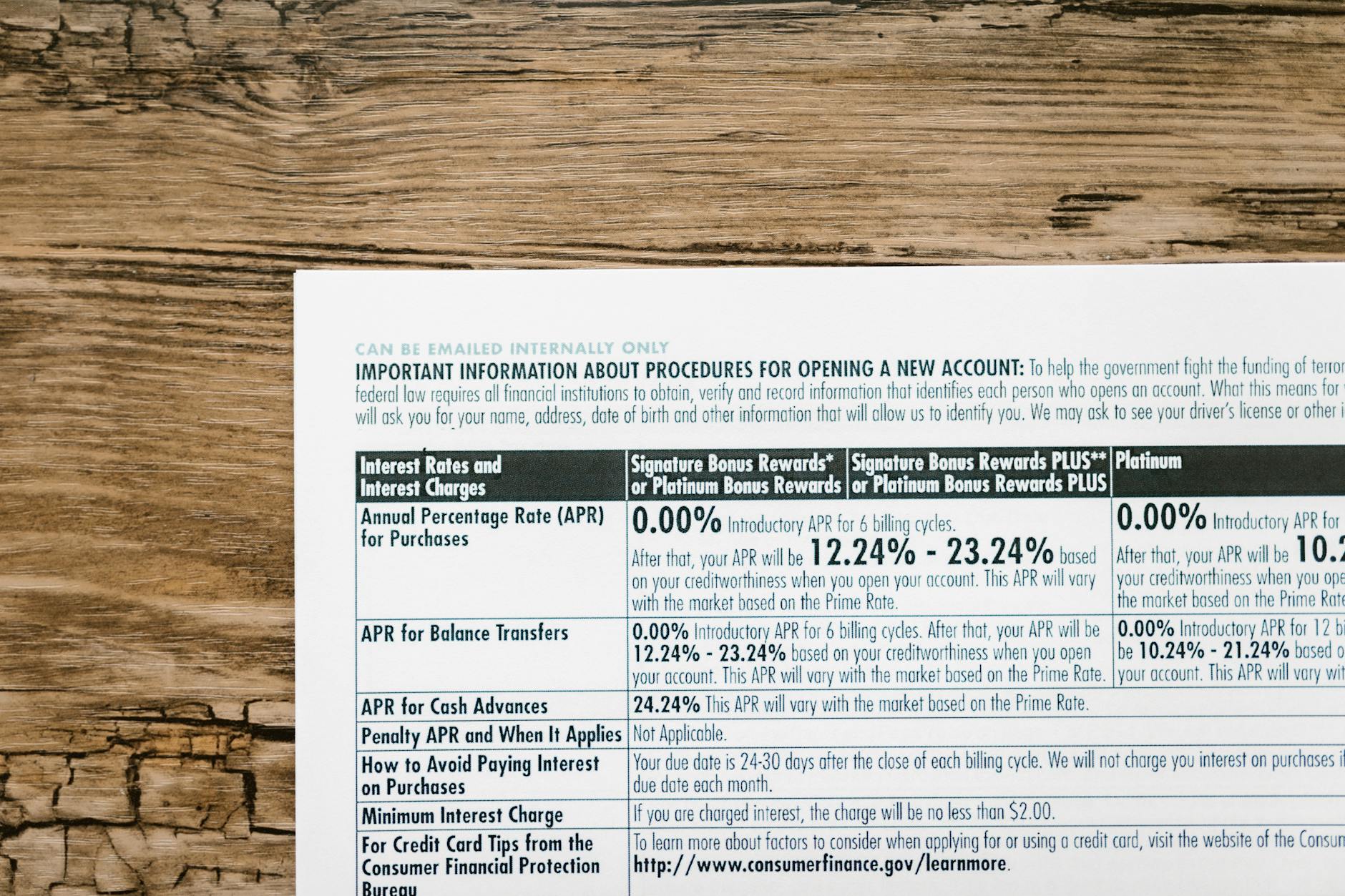
Yes, bank account bonuses are fully taxable income. The IRS treats them as interest income, and you’re required to report every dollar—even bonuses smaller than $10—on your tax return. If you open a new checking account with a $200 sign-up bonus, that $200 counts as ordinary income and gets taxed at your regular tax rate, potentially pushing you into a higher tax bracket depending on your total earnings for the year.
The key problem most people face is that unlike payroll bonuses, banks don’t withhold taxes on these promotions. You receive the full $200 (or whatever the bonus is), but you’ll owe taxes on it when you file. This means you need to either set aside money from the bonus to cover the tax bill or be prepared to pay it from other sources come tax season. Understanding how these bonuses work tax-wise can help you make smarter banking decisions and avoid surprises on your return.
Table of Contents
- Are Bank Account Bonuses Really Taxable Income?
- When Does a Bank Issue Form 1099-INT for These Bonuses?
- How Are Bank Bonuses Taxed on Your Return?
- What About State and Local Taxes on Bank Bonuses?
- Banks Don’t Withhold Taxes—You Need to Plan Ahead
- How Multiple Bank Bonuses Compound Your Tax Bill
- The Bonus Strategy: Is It Worth It After Taxes?
- Conclusion
Are Bank Account Bonuses Really Taxable Income?
bank bonuses are classified as taxable income under IRS Publication 550, period. The IRS doesn’t distinguish between bonuses you earn for opening a checking account, a savings account, or moving direct deposit over—they’re all treated identically as interest income. This applies whether the bonus comes from a new account opening, a referral promotion, or any other type of banking incentive. The moment the bonus hits your account, it becomes reportable income. The reason banks treat these as interest income rather than a gift or rebate is simple: you’re receiving money from the bank for the privilege of opening or using their account.
It’s compensation, not a discount on a purchase. This distinction matters because credit card rewards work differently—they’re considered rebates on spending and aren’t taxable. A $300 sign-up bonus on a credit card? Not taxable. A $300 bonus for opening a bank account? Fully taxable. Many people confuse the two and end up underreporting bank account bonuses on their taxes.

When Does a Bank Issue Form 1099-INT for These Bonuses?
Banks must issue Form 1099-INT if your bank account bonuses total $10 or more during the calendar year. This is the threshold set by the IRS, and while it seems low, most people won’t see a 1099-INT unless they’re actively collecting bonuses from multiple banks or receiving larger promotional offers. If you open one account with a $50 bonus, you probably won’t get a form. If you open five accounts with $50 bonuses each, the bank should issue the form.
Here’s the critical part: you are legally required to report all bank bonuses on your tax return, even if your bank never sends you a 1099-INT form. Some banks are slower to report, some bonuses don’t trigger the reporting requirement, and some smaller institutions may not have automated systems to track bonuses separately from regular interest. This is where many people slip up. They see no 1099-INT and assume the bonus isn’t reportable, but the IRS still expects you to include it. If the IRS later audits your bank records and finds unreported bonuses, you could face penalties and interest charges on top of the original tax bill.
How Are Bank Bonuses Taxed on Your Return?
Bank bonuses are taxed at your ordinary income tax rate, which means they’re added to your total taxable income and taxed according to the federal tax brackets that apply to you. If you’re in the 22% tax bracket, a $500 bonus means approximately $110 in federal income taxes (before accounting for state taxes and other factors). The bonus also increases your Adjusted Gross Income (AGI), which can have ripple effects on your tax situation. A practical example: Let’s say you earned $75,000 in salary last year and are single, putting you in the 22% federal tax bracket.
You open three bank accounts and receive $800 in total bonuses. That $800 moves you closer to the next tax bracket. While it might not push you fully into the 24% bracket, it increases the portion of your income taxed at the higher rate. Additionally, a higher AGI can affect your eligibility for certain tax credits and deductions, such as the Earned Income Tax Credit, education credits, or itemized deductions. This is why it’s important to consider bonuses as part of your bigger tax picture, not in isolation.

What About State and Local Taxes on Bank Bonuses?
Don’t forget about state and local income taxes. While the federal government taxes bank bonuses as ordinary income, most states do the same. If you live in a state with a 5% state income tax and receive a $500 bank bonus, you could owe $25 to your state on top of federal taxes. Seven states—Alaska, Florida, Nevada, South Dakota, Tennessee, Texas, and Wyoming—don’t have state income tax, so residents there only pay federal taxes on bonuses. But if you’re in California, New York, or another high-tax state, state taxes can actually exceed your federal burden.
The tradeoff is that large bonuses might make sense in low-tax states but become less attractive in high-income tax states. A $400 bonus in Texas (no state income tax) nets you a cleaner deal than a $400 bonus in California (13.3% state tax). Also, some cities impose local income taxes, which further complicate the math. If you’re in a place like New York City, Philadelphia, or Columbus, you could owe local taxes in addition to federal and state. Factor in the total tax hit before you decide whether a bonus offer is worth the effort of opening a new account.
Banks Don’t Withhold Taxes—You Need to Plan Ahead
Unlike payroll bonuses, where your employer automatically withholds income tax, Social Security tax, and Medicare tax from your check, banks deposit bonuses without any withholding. You receive the full amount and are responsible for setting aside money to cover the tax liability yourself. This is where people often get caught off guard. They see a $500 bonus appear in their account and assume that’s what they’re keeping, then face a bill on tax day. The safest approach is to set aside approximately 25-40% of the bonus amount immediately, depending on your tax bracket.
If you’re in the 22% federal bracket, add state tax (say, 5%), and you’re looking at roughly 27% off the top. Having that money earmarked for taxes prevents you from spending it and leaving yourself short when taxes are due. Some people use a separate savings account as a “tax reserve” where bonuses go until filing season. Another option is to increase your estimated quarterly tax payments if you expect to owe significantly more throughout the year. The IRS allows quarterly estimated tax payments specifically to avoid large surprises at filing time.

How Multiple Bank Bonuses Compound Your Tax Bill
If you’re a frequent bonus hunter opening multiple accounts in a single year, your tax bill can add up quickly. Imagine opening five checking accounts with $150 bonuses each and three savings accounts with $100 bonuses each. That’s $900 in total bonuses. At a 30% combined federal and state tax rate, you’re looking at a $270 tax bill from just bank promotions. Over multiple years, if you consistently open new accounts, those annual bonuses become a predictable income source—one that the IRS absolutely expects to see reported.
A concrete example: Sarah opens four accounts with $100 bonuses each in 2025 for a total of $400. She accounts for this on her taxes. In 2026, she opens five new accounts with $150 bonuses each totaling $750. Her tax bill on those bonuses is roughly $225 (assuming a 30% total tax rate). Over five years of consistent bonus hunting, she’s looking at potentially $1,500+ in cumulative tax liability on bonuses alone. It’s still worthwhile—free money is free money—but it’s not quite as free as the raw bonus amount suggests.
The Bonus Strategy: Is It Worth It After Taxes?
After understanding the tax reality, many people recalculate whether bank bonuses make sense. A $300 bonus sounds great until you realize you’ll owe about $90 in taxes, leaving you with $210 in net benefit. Is $210 worth the time to open an account, verify identity, potentially set up direct deposit, and manage another account? For some, absolutely—for others, the hassle isn’t worth it. The smarter approach is to target larger bonuses that justify the administrative effort.
A $100 bonus might not be worth opening a new account and managing an extra relationship with a bank. But a $500 or $1,000 bonus from a bank like Chase or Bank of America becomes more attractive, especially if the account comes with genuinely useful features or fits into your banking strategy. Additionally, if you’re planning to move your main checking account anyway, combining that move with a bonus makes the tax liability feel less like a surprise—it’s simply part of the cost-benefit analysis of switching banks. Pay attention to which bonuses have the most reasonable terms (usually requiring direct deposit or a minimum balance) and focus on those rather than chasing every small offer.
Conclusion
Bank account bonuses are taxable income that you must report on your federal and state tax returns, regardless of whether your bank sends you a 1099-INT form. The IRS treats them as ordinary interest income, taxed at your regular tax rate, and the obligation to report them falls entirely on you—banks have no obligation to withhold taxes on your behalf. Understanding this reality before you earn bonuses helps you make informed decisions about which offers are worth pursuing and prevents unpleasant surprises come tax time.
The bottom line: set aside 25-40% of every bank bonus you receive to cover taxes, factor those taxes into your calculations when comparing bonus offers, and report all bonuses on your tax return. Bank bonuses are still valuable financial incentives, but they’re only as good as the after-tax benefit they deliver. Plan accordingly, and you’ll maximize the true value of every promotion.
You Might Also Like
- What Bonus You Actually Get for $1 Million Bank Deposit
- How to Use Bank Rebates to Cover Monthly Streaming
- The Hidden Rules That Can Disqualify You From Bank Bonuses