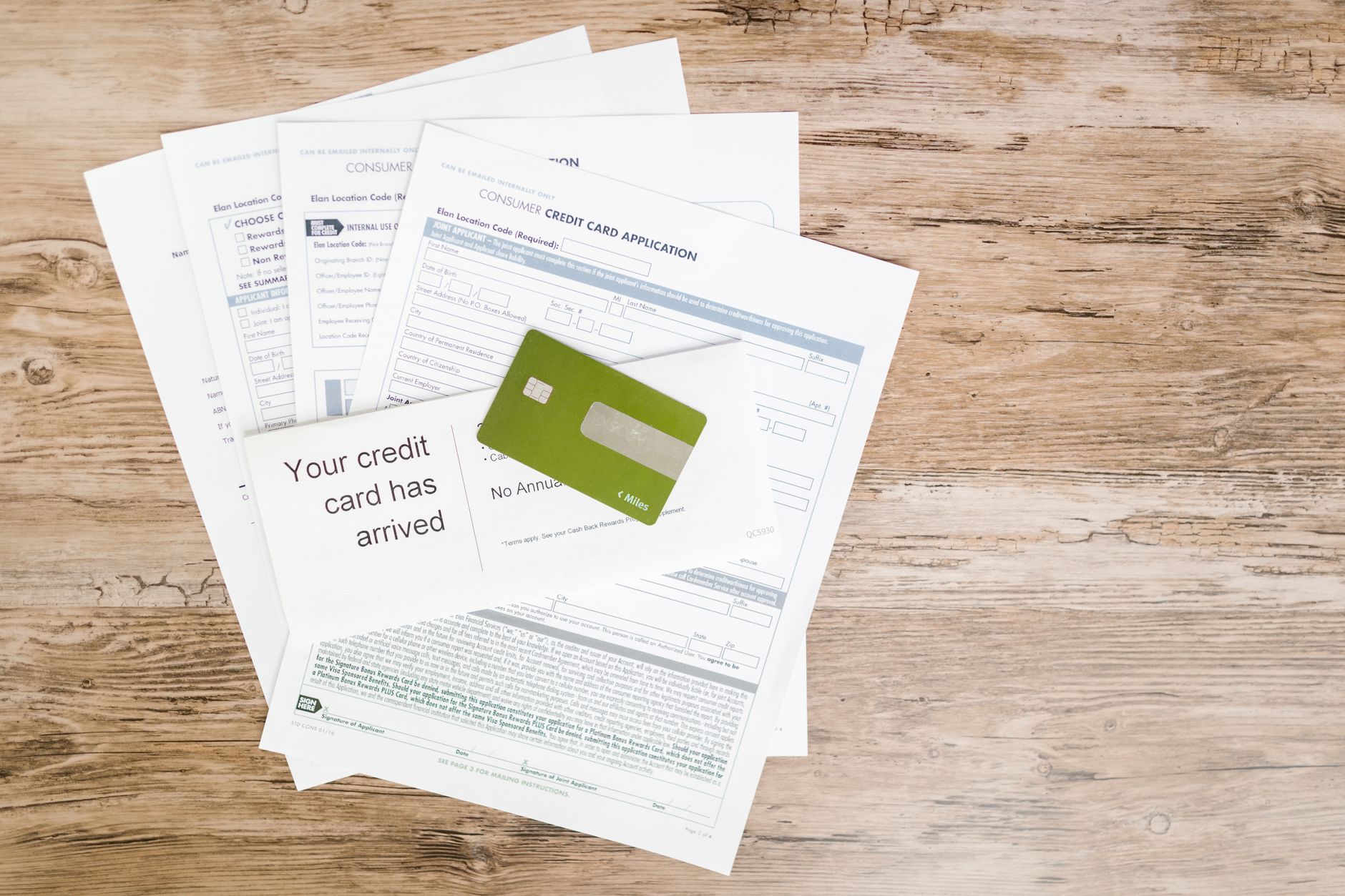
A free checking account means no monthly maintenance fee, while a credit score is the three-digit number lenders use to judge risk. Fees appear because the checking itself stays free but premium score features, monitoring plans, and outside trial offers carry separate charges.
Deal hunters often accept score alerts without noticing the upgrade. The charge then posts each month until you cancel. Spotting the trigger keeps a bonus deal profitable.
Table of Contents
- What does free checking actually cover?
- Where does the score charge come from?
- Why does your free score differ from a lender score?
- How do you keep score checks free?
What does free checking actually cover?
The Consumer Financial Protection Bureau says a free account means no monthly maintenance fee. A bank can add a new fee after written notice at least 30 days in advance. After that change it can no longer advertise the account as free the CFPB guidance on free checking changes.
An optional score product works differently. You choose it inside online banking or at signup for a perks tier. The checking keeps its label while the add-on bills separately.
Where does the score charge come from?
Federal law gives free credit reports weekly through AnnualCreditReport.com. The Consumer Financial Protection Bureau also says reporting companies may still charge for the three-digit score itself the CFPB explanation of score charges. That gap lets banks show a basic score free and charge for fuller versions. Gate City Bank lists premium checking that adds IDProtect plus credit-file and score-tracker access for a $4.95 monthly service charge the Gate City Bank checking perks page. CreditedBANK's review of Experian IdentityWorks describes the common upsell as three-bureau FICO scores, daily refreshes, alerts, dark-web monitoring, and identity-theft insurance.
Accepting that upgrade moves you from free single-bureau access to a paid tier. The outside free-score ad is the harder trap. The Ohio Attorney General, with federal partners, reported checking holders who clicked free-score offers joined paid monitoring billed until cancellation. In the One Technologies case, ScoreSense and MyCreditHealth charged $29.95 per month after a free score. The offer drew at least 210,000 complaints and led to a $22 million settlement with $21.9 million for restitution the Ohio Attorney General announcement.
Why does your free score differ from a lender score?
The Credit Consensus Index review of Credit Karma notes a free bank score is often one bureau's VantageScore 3.0. Mortgage and auto lenders often use FICO instead. The two models can differ, so your free number does not prove the full report is error-free.
Use the free score to track direction, not approval odds. Pull weekly reports to check errors before you apply. Pay for an upgrade only when a lender names the exact score it will pull.
How do you keep score checks free?
The U.S. PIRG Education Fund advises reading the fee schedule and negative-option trial terms before you accept monitoring.
A negative option means the seller bills you until you cancel. Check free lender or nonprofit-counselor scores first. Cancel promptly and keep the confirmation number.
- Decline prechecked monitoring at account opening.
- Cancel trials immediately and save proof.
- Review statements for score-plan billing.
You Might Also Like
- What Credit Score Do You Need to Open a Premium Checking Account?
- What Credit Score Does Chime Check Before Approving a New Account?
- What Credit Bureau Pulls When You Open a New Checking Account?