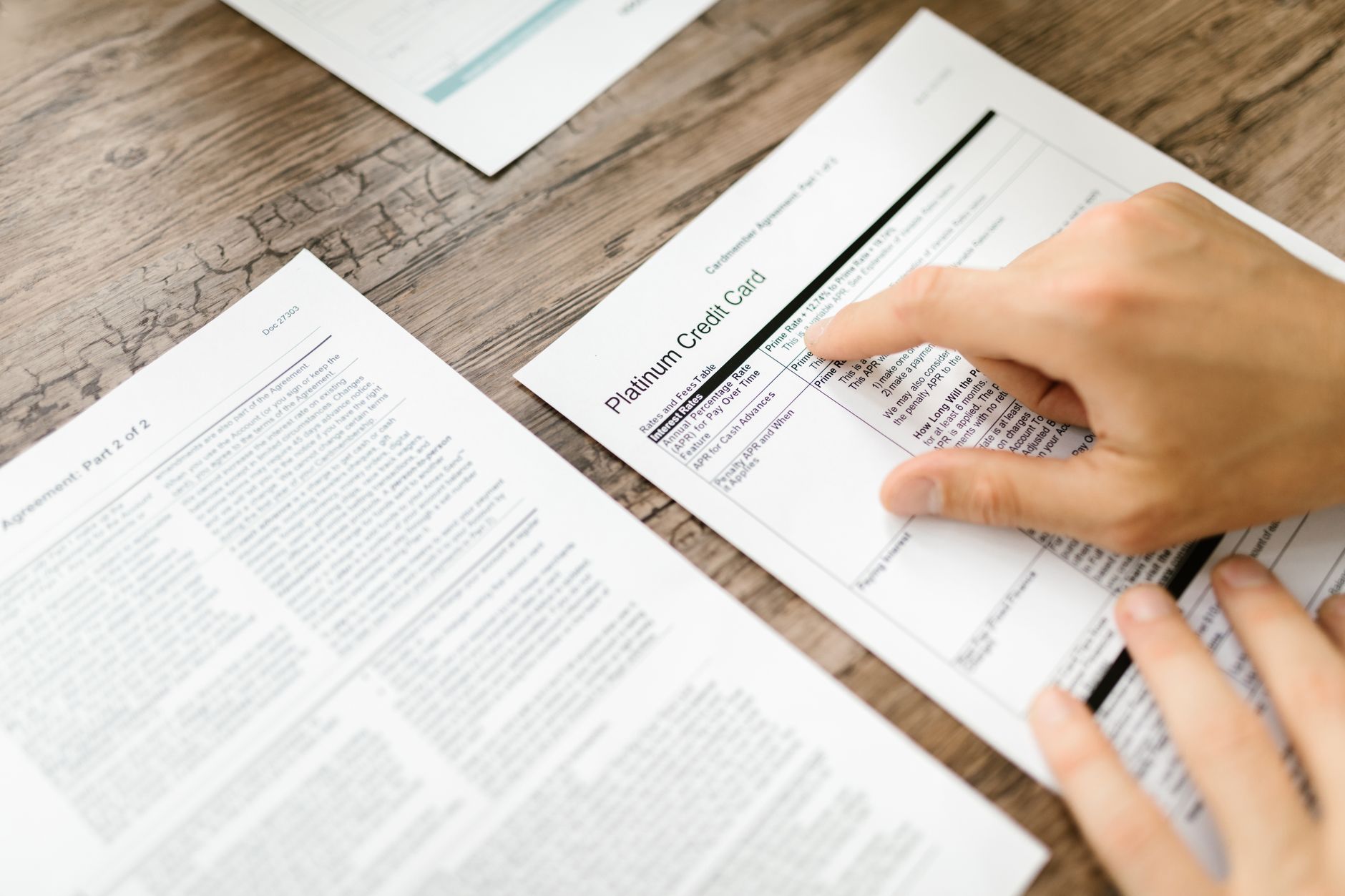
The documents that help most are the signed settlement letter, the checking-account statement showing the lump-sum debit with bank confirmation or cancelled check, and your written dispute and credit-report correction packets. Together they prove what was promised, what left your checking account, and what balance should be forgiven or fixed.
A lump-sum bank-debt settlement means one checking payment that closes a bank debt for less than the full amount owed. Checking payments move in one debit, so paper matters more than memory. Save every letter, confirmation, statement, and mailing receipt in one folder until reports and balances show zero owed.
Official resources:
- Read the official notice from Consumerfinance — Use this primary source to verify the official announcement.
- Read the original report from Consumerfinance — Use this primary source to review the complete report.
Table of Contents
- Get the payoff promise in writing before you pay
- Keep checking-account proof of payment
- What if a collector returns after you paid?
- Fix credit and checking reports
- Save the tax paper if part was forgiven
Get the payoff promise in writing before you pay
Ask for the full settlement plan and the collector's promises in writing before money leaves checking. It should state the lump-sum amount, due date, that collection stops, and that the rest is forgiven after payment.
The Consumer Financial Protection Bureau advises getting these terms in writing in its guide to negotiating a settlement with a debt collector. Do not pay from checking on a phone promise. If the letter is missing a term, ask for a corrected letter first.
- total settlement amount and pay-by date
- account being settled and remaining balance forgiven
- collection stops after payment clears
- written receipt or satisfaction letter after payment
Keep checking-account proof of payment
Your core payment proof is the checking statement showing the debit plus the bank confirmation or cancelled check. Keep both, plus any collector receipt, with dates and amounts matching the letter.
For an unauthorized or wrong electronic debit, federal error-resolution rules require bank investigation and provisional credit within 10 business days, according to the Consumer Financial Protection Bureau in its Regulation E error-resolution rule. Check the statement when the debit posts. If the amount, payee, or date is wrong, contact the bank fast and keep the claim number.
What if a collector returns after you paid?
Send a written dispute or request for information that says the bank debt was paid, the amount is wrong, or it is not yours. Attach the settlement letter and checking proof, and keep a copy and mailing proof.
The Consumer Financial Protection Bureau explains this process in its help for debts already paid or not owed. Act early in the 30-day validation period when possible. During that period, a written dispute requires the collector to stop collection until it sends verification or a judgment copy.
Fix credit and checking reports
To fix a credit report after settlement, dispute with the reporting companies by identifying the account, circling the error on a report copy, and enclosing the settlement or satisfaction letter and checking proof. The bureau must forward your evidence to the furnisher. The Consumer Financial Protection Bureau describes these steps in its guide to disputing a credit report error.
Dispute a checking-account consumer-report error separately. Send it to both the checking-report company and the bank or company that supplied the information. A credit-repair company cannot legally remove accurate negative history. You can dispute only information that is inaccurate, incomplete, or unverifiable.
Save the tax paper if part was forgiven
If $600 or more of bank debt was forgiven in settlement, keep the IRS Form 1099-C and settlement letter with your tax records. The lender generally reports the canceled amount, and you generally must include it in taxable income unless an exception applies.
Ask a tax preparer or check IRS guidance about exceptions before filing. Bring the exact forgiven amount, settlement date, and payment proof to that review.
You Might Also Like
- A Lump-Sum Bank-Debt Settlement Paid from a Checking Account: Mistakes That Could Change How You Respond
- How to Confirm the Creditor, Balance, and Account Behind a Lump-Sum Bank-Debt Settlement Paid from a Checking Account
- A Lump-Sum Bank-Debt Settlement Paid from a Checking Account: A Bank Customer’s Response Checklist