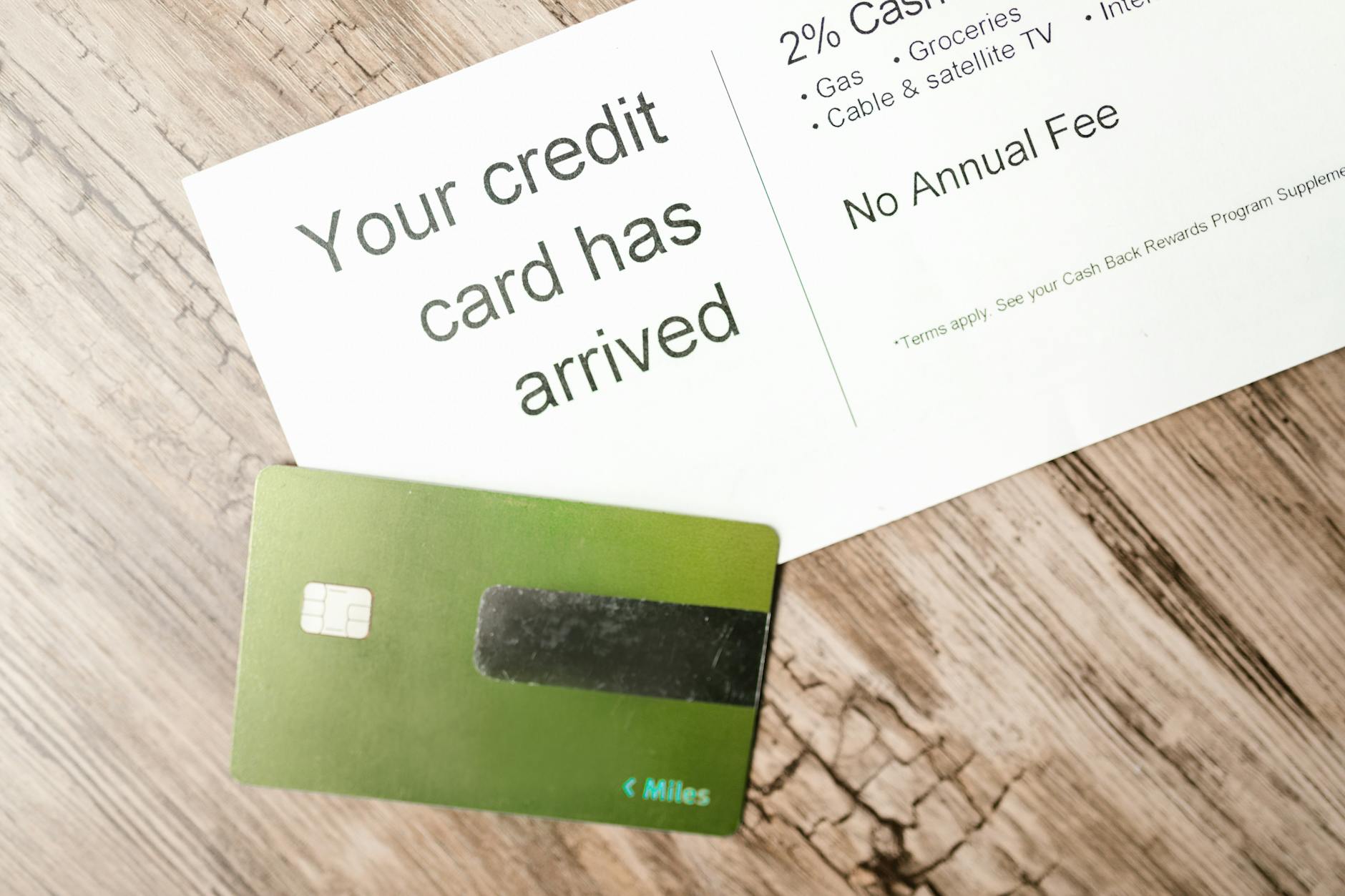

Credit card bonuses typically offer higher dollar amounts than bank account bonuses, but bank bonuses deliver that money faster and more reliably, with no spending requirements or risk of never meeting the bonus criteria. A bank checking account bonus might pay $200-$500 after setting up direct deposit and maintaining a minimum balance for a few months, while a premium credit card could offer $500-$1,000 in cashback, but only if you spend $4,000-$8,000 within three months. The real answer is that credit cards can generate more total rewards over time if you’re a heavy spender, but bank bonuses offer guaranteed payouts with minimal friction—making them better for building wealth quickly if you’re willing to open multiple accounts.
The comparison isn’t simple because these bonuses serve different purposes. Bank bonuses reward you for moving your deposit account, while credit card bonuses incentivize spending. Over a one-year period, someone who meets both bank and credit card bonus requirements could earn $1,000-$2,000 combined, but the timeline, effort, and financial risk are completely different between the two.
Table of Contents
- HOW BANK BONUSES AND CREDIT CARD BONUSES ACTUALLY WORK
- WHY CREDIT CARD BONUSES CAN PAY MORE OVER TIME
- THE HIDDEN TIMELINE ADVANTAGE OF BANK BONUSES
- COMPARING TOTAL EARNINGS WHEN YOU DO BOTH
- SPENDING REQUIREMENTS AND THE COST OF MANUFACTURED SPENDING
- INTEREST RATES AND ONGOING ACCOUNT COSTS
- THE FUTURE OF BONUSES AND RATE CHANGES
- Conclusion
HOW BANK BONUSES AND CREDIT CARD BONUSES ACTUALLY WORK
Bank account bonuses are one-time payments offered by financial institutions to attract new customers. You typically need to open a checking or savings account, set up a direct deposit or make a certain number of debit card transactions, and maintain a minimum balance—usually for 30 to 90 days. Once you meet the conditions, the bank deposits the bonus directly into your account. Popular examples include chase Bank offering $200-$300 for opening a checking account with direct deposit, or Marcus by Goldman Sachs offering $100-$200 for opening a savings account and funding it with a certain amount. Credit card bonuses work differently by rewarding spending patterns and loyalty.
Most commonly, you get a large welcome bonus if you spend a specific amount (like $3,000) within a set timeframe (usually three to six months). For instance, the Chase Sapphire Preferred card might offer 100,000 points (worth roughly $1,500) after you spend $8,000 in three months, on top of ongoing rewards like 2% cashback on dining and travel. These bonuses require active spending to unlock, unlike bank bonuses which are largely passive. The key difference: bank bonuses are guaranteed once you meet straightforward requirements, while credit card bonuses depend on your willingness and ability to spend. If you spend $2,000 in the three-month window instead of the required $8,000, you forfeit the bonus entirely—and you’re only left with whatever ongoing rewards that spending generated.

WHY CREDIT CARD BONUSES CAN PAY MORE OVER TIME
Credit cards generate ongoing rewards that compound throughout your relationship with the card. A credit card offering 2% cashback on all purchases means that on $50,000 in annual spending, you’d earn $1,000 in rewards just from regular usage—before accounting for any sign-up bonus. The Chase Sapphire Preferred, for example, offers additional multipliers on dining and travel, allowing heavy users in those categories to earn significantly more. Bank bonuses, by contrast, are one-time events with no ongoing benefits.
Once you’ve earned the $200 bonus, that account likely offers minimal interest rates and no rewards on debit card purchases. If you were using a bank account primarily to warehouse cash anyway, the bonus is pure profit—but if you’re spending money through that account that you’d normally put on a rewards credit card, you’ve lost the ongoing rewards potential. A major limitation of relying on credit card rewards: annual fees can erode your gains. A premium card charging $550 per year (like the Chase Sapphire Reserve) needs to generate at least that much in additional value through rewards, higher multipliers, or perks like travel credits, or you’re losing money. For many consumers, the card only pays for itself after accumulated spending—and it doesn’t pay for itself at all if you only spend $5,000 per year.
THE HIDDEN TIMELINE ADVANTAGE OF BANK BONUSES
Bank bonuses arrive in your account much faster than credit card sign-up bonuses, which is crucial if you need cash now. With a bank checking account bonus, you could open the account on a Monday, set up direct deposit on Tuesday, and have the bonus posted within 30-90 days, assuming your employer processes the direct deposit. That’s guaranteed, tangible money sitting in your account, with no annual fees to recoup and no risk of missing spending requirements. Credit card bonuses take longer to materialize. You open the card, spend the required amount over three months, then wait another 1-2 months for points to post, and then you need to redeem them.
If you’re using travel points, you need to actually book a trip, which could be months away. If you’re using cash back, the redemption might be instant, but the entire process from application to receiving money typically takes 4-6 months. Consider a real-world scenario: You’re switching jobs and need to access cash quickly. Opening a new bank account and triggering a $300 bonus through direct deposit gets money in your account within 60 days. But a credit card bonus requiring $5,000 in spending, even if you could spend that in a month, wouldn’t deliver cash in hand for another two months—and if you’re churning cards strategically, you might have to wait even longer.

COMPARING TOTAL EARNINGS WHEN YOU DO BOTH
The most profitable strategy isn’t choosing one or the other, but doing both strategically. Someone opening a new checking account ($200 bonus), a new credit card ($800 sign-up bonus), and a savings account ($150 bonus) in the same quarter could earn $1,150 from bonuses alone. Then, if they maintain the credit card and use it for their regular $4,000 monthly spending, they’d earn 2% cashback ($80) on that monthly spending—adding up to $960 per year in ongoing rewards. The tradeoff is complexity and credit inquiry impact. Each credit card application generates a hard inquiry on your credit report, and opening multiple accounts within a short time appears risky to lenders.
Your credit score typically drops 5-10 points per hard inquiry, and new accounts lower your average account age. If you’re planning to apply for a mortgage or car loan within the next 6-12 months, aggressively churning cards and bank accounts could hurt your approval odds or increase interest rates. Bank accounts are less risky for credit, as many banks don’t perform hard inquiries (though some do). Opening three bank accounts in a year is generally safer than opening three credit cards, making bank bonuses a smarter choice if you’re concerned about credit impacts. However, banking institutions do track accounts across their systems—Chase, for example, has a rule preventing you from opening more than one checking or savings account bonus every 12 months.
SPENDING REQUIREMENTS AND THE COST OF MANUFACTURED SPENDING
Credit card bonuses come with a critical hidden risk: spending requirements. If a card requires $5,000 in spending and you only spend $3,000 naturally, you need to “manufacture” $2,000 in spending to get the bonus. This might mean buying prepaid gift cards, funding investment accounts, or paying bills early—all actions that incur fees or provide no real value. Some manufactured spending strategies carry penalties. Buying prepaid Visa cards with your credit card usually triggers a cash advance fee (typically 3-5% of the amount), which would cost you $60-$100 on $2,000 in spending.
If the bonus is worth $800, you’re spending $60-$100 to earn it—reducing your net gain. Even “safer” manufactured spending options like paying tuition bills early or buying office supplies incur opportunity costs: you’re tying up money and effort that could go elsewhere. A critical limitation that catches many people: some banks and credit card issuers are becoming stricter about identifying manufactured spending and closing accounts or clawing back bonuses. If you’re opening cards solely to churn bonuses without generating organic spending, you risk account closure and potential blacklisting from the issuer for years. Bank bonuses, since they require direct deposits or simple balance requirements, carry far less scrutiny and have essentially zero risk of clawback if you meet the stated criteria.

INTEREST RATES AND ONGOING ACCOUNT COSTS
Bank bonuses become less attractive when you examine the ongoing account economics. Many banks offering large sign-up bonuses (over $300) may have high monthly fees ($15-$25), account minimums ($10,000-$25,000), or provide below-market interest rates on savings. If you’re earning a $300 bonus but the account charges $20 per month in maintenance fees, you’d need to keep the account open for 15 months just to break even—and that’s before accounting for lost interest if the rates are poor.
Chase Bank’s interest-bearing checking accounts typically offer around 0.01% APY on balances, while high-yield savings accounts from online banks offer 4-5% APY on the same money. If you open a Chase checking account for a $200 bonus and keep a $5,000 balance for a year, you’d earn roughly $0.50 in interest. That same $5,000 in a high-yield savings account would earn $200-$250 in interest annually—significantly more than a one-time $200 bonus.
THE FUTURE OF BONUSES AND RATE CHANGES
Credit card bonus offers fluctuate with economic conditions and competition. During periods of high interest rates, card issuers reduce sign-up bonuses because consumers are less likely to apply for credit, while during economic expansion, bonuses increase dramatically. If you’re considering opening a card for a specific bonus, checking whether that offer is historically high or low (using sites that track historical bonus offers) can help you time your applications.
Bank bonuses are becoming more competitive as regional and online banks fight for deposit market share. In recent years, online banks have started offering bonuses on savings and money market accounts as an alternative to checking accounts—recognizing that checking account bonuses have become saturated. The trend suggests that bank bonuses will remain available as a relatively easy way to earn quick cash, particularly from smaller institutions competing for attention.
Conclusion
Bank bonuses pay off faster and with greater certainty, typically delivering $200-$500 within 90 days with minimal effort or risk. Credit card bonuses have higher earning potential over time, offering sign-up bonuses of $500-$1,500 plus ongoing rewards that accumulate throughout the year—but they require spending discipline, carry credit score impacts, and risk missing bonus thresholds. If you’re looking for quick, guaranteed money with no risk, bank bonuses are superior; if you’re a consistent spender planning to hold a card long-term, credit card bonuses offer better overall returns.
The most profitable approach combines both strategies: earn a bank bonus or two per year for immediate cash, while maintaining one or two rewards credit cards for everyday spending. This balanced approach captures the guaranteed payouts of bank bonuses without over-extending yourself with the credit inquiry impacts of aggressive card churning, while still maximizing rewards on money you’d be spending anyway. Track your annual spending, evaluate bonus requirements realistically, and avoid the temptation to manufacture spending—discipline beats chasing the next big bonus offer.