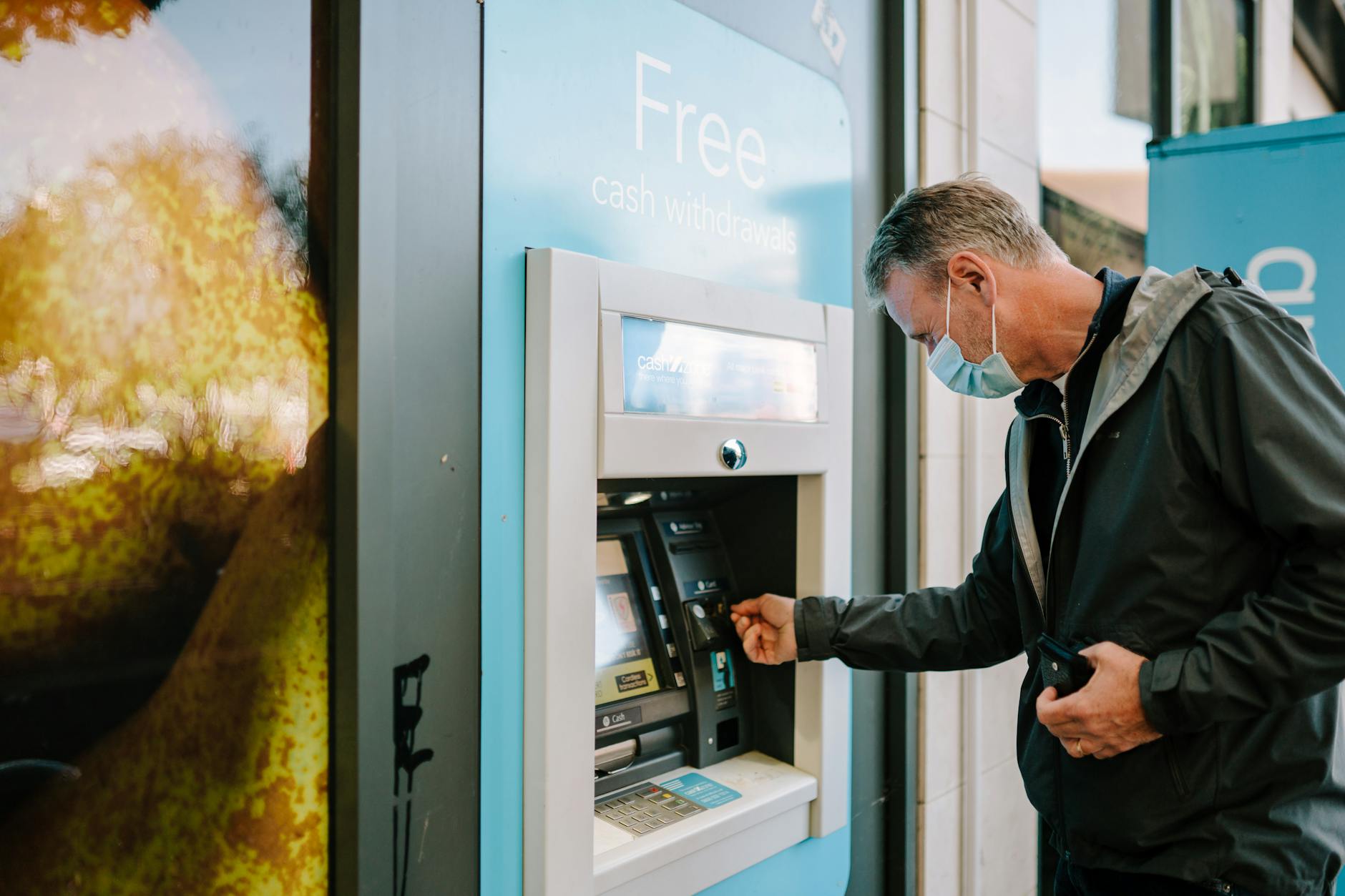

Yes, you can earn a $125 bonus by opening a Chase Secure Banking account, but you need to complete 10 qualifying transactions within 60 days of account opening. The bonus appears in your account within 15 days after you meet this requirement, giving you a straightforward path to free money without requiring a large direct deposit or ongoing balance commitment. For example, if you open an account on April 1st and make 10 debit card purchases or Zelle transfers by May 31st, the $125 bonus would land in your account by mid-June. The key to qualifying is understanding what counts as a transaction.
Chase Secure Banking is designed for people rebuilding their credit or new to banking, and the transaction requirement is intentionally simple—it’s not about how much you spend, just that you actually use the account. The offer expires July 15, 2026, so if you’re interested, you have a limited window to apply before the promotion ends. One important caveat: this account carries a $4.95 monthly fee, which you can waive by maintaining $250 in electronic deposits per statement period. This means your net $125 bonus could be reduced to $80 if you carry the account for a year without meeting the deposit waiver threshold, so it’s essential to plan ahead.
Table of Contents
- What Are the Qualification Requirements for the Chase Secure Banking $125 Bonus?
- Transactions That Count Toward Your $125 Bonus Requirement
- Who Can Apply and Eligibility Restrictions
- How to Maximize the Bonus While Managing Account Fees
- Common Mistakes and How to Avoid Losing Your Bonus
- When Your Bonus Appears and What to Expect
- Comparison with Other Chase Banking Promotions
- Conclusion
What Are the Qualification Requirements for the Chase Secure Banking $125 Bonus?
The qualification rules are straightforward compared to many banking promotions. You need to complete 10 qualifying transactions within 60 days of opening your account—that’s roughly three transactions per week to hit the deadline comfortably. The transactions can be spread across any combination of debit card purchases, Zelle transfers, ACH credits, Chase QuickDeposit mobile deposits, or online bill payments. This flexibility means you’re not locked into one type of banking activity; you can mix and match however your spending and payment habits align. The 60-day window starts the moment your account opens, not when you first deposit money.
If you open your account on day one and immediately begin transactions, you have until day 60 to reach 10 transactions. Chase will credit the $125 bonus within 15 days of meeting all requirements, so if you hit 10 transactions by day 55, you could see the bonus appear as early as day 70. Plan your timing carefully if you’re opening the account specifically to capture this bonus—waiting until the last week of June to apply leaves little room for error before the July 15 expiration. One significant difference from other Chase offers: there’s no direct deposit requirement. Many Chase checking accounts offer bonuses only if you set up payroll direct deposit, which creates a barrier for self-employed people, contract workers, or anyone without a traditional employer. Chase Secure Banking’s transaction-based requirement is more accessible, though it does require you to actually use the account rather than simply open it.
Transactions That Count Toward Your $125 Bonus Requirement
Understanding what qualifies as a transaction is crucial because not every activity Chase processes counts toward your 10-transaction requirement. Debit card purchases are the easiest path—a single swipe at the grocery store, gas station, or online retailer counts. Zelle transfers, both sending and receiving money, also count, making it easy to hit your quota if you split bills or send money to friends. ACH credits, which are transfers into your account from another bank, and Chase QuickDeposit (depositing checks through the mobile app), round out the electronic options. Online bill payment is also eligible, so paying utilities or credit cards directly through Chase counts toward your requirement. What doesn’t count is important to know: transfers between your own Chase accounts don’t qualify, and debit card declines don’t count as transactions.
ATM withdrawals also don’t count, which is worth noting if you assume every activity counts. Some banks are vague about this, but Chase is transparent. If you’re trying to hit 10 transactions quickly and you only have limited ways to spend money, you could use a combination—three debit card purchases, four Zelle transfers, two bill payments, and one mobile deposit. That’s 10 transactions in various categories, giving you flexibility even if your spending is modest. One warning: Chase monitors these accounts closely for fraud and unusual activity. While legitimate transactions always count, the bank may flag excessive rapid transactions designed solely to meet the requirement—for instance, 10 separate $1 purchases in one hour. Space your transactions naturally across the 60-day period to avoid triggering review delays that could prevent the bonus from posting before the offer expires.
Who Can Apply and Eligibility Restrictions
Chase Secure Banking is not available to existing Chase checking customers, which immediately disqualifies anyone already banking with Chase. If you have a Chase checking account now, even one you haven’t used in years, you’re ineligible. However, if your Chase checking account was closed more than 90 days ago, you can apply for the bonus. This creates a practical workaround if you previously banked with Chase but haven’t for months—just verify the closure date before applying. New customers can earn one $125 bonus per account, and you can’t earn another bonus from this same account for two years after you enroll in the promotion. This means if you open the account now and hit the bonus, you’re locked out of Chase Secure Banking bonuses until 2028 at the earliest.
However, you could potentially open a different Chase checking product and earn a separate bonus, depending on Chase’s current promotion lineup at the time. Always read the fine print of any new offer to verify whether you’re eligible based on past bonuses with Chase. Age and credit requirements are minimal—Chase Secure Banking is specifically designed for people with limited credit history or lower credit scores, and anyone 18 or older with a valid ID can apply. Location matters, as Chase doesn’t serve customers in all states, but most people in the continental U.S. will have access. One example: if you’ve never had a checking account before, you can open a Chase Secure Banking account and qualify for the $125 bonus immediately, making this a reasonable starting point for building your banking history.
How to Maximize the Bonus While Managing Account Fees
The $4.95 monthly fee is the real consideration here. If you open the account, earn your $125 bonus, and then close the account the next month without using it further, you’ve netted $120.05—still a win. But if you keep the account open to use it long-term, the fee erodes your earnings. Waiving the fee requires $250 in electronic deposits per statement period (a monthly cycle). Electronic deposits include direct deposit, ACH transfers into your account, or Chase QuickDeposit, but not debit card purchases or ATM withdrawals. For someone with steady income, meeting the $250 electronic deposit threshold is effortless—a paycheck covers it immediately. For someone without direct deposit, two ACH transfers from another bank could easily meet the requirement.
However, if you’re only using the account for debit card purchases and withdrawals without receiving regular electronic deposits, the fee will apply every month. Over a year, that’s nearly $60 in fees, which cuts your effective $125 bonus to around $65. One realistic example: You earn the $125 bonus, then set up a weekly transfer of $60 from your primary bank account to Chase Secure Banking. Four transfers per month equal $240, which exceeds the $250 requirement by a small margin. Your monthly fee is waived, and you’re using Chase Secure Banking as a secondary account. Alternatively, if you receive a monthly paycheck deposited here, the fee waives immediately. Compare this approach with a standard Chase checking account that might have no monthly fee—Chase Secure Banking is specifically for people rebuilding credit, not for people with a strong credit profile who might qualify for a better product.
Common Mistakes and How to Avoid Losing Your Bonus
The first and most critical mistake is waiting too long to apply. With an expiration date of July 15, 2026, applying in late June or early July leaves virtually no margin for error. If you apply on July 10 and technical issues delay your account opening to July 17, you’ve missed the deadline entirely. Apply early enough that if any documentation verification takes a few days, you’re well within the cutoff window. A July 1 application gives you a two-week buffer for any delays. The second mistake is failing to complete your 10 transactions within 60 days. Set a phone reminder at the 30-day mark to check your transaction count. If you’ve only completed five transactions halfway through, you need to accelerate—make two transactions per week for the remaining month.
Some people open the account with good intentions and forget to use it, only to realize on day 50 that they’ve completed only four transactions. By then, it’s too late to catch up without intense effort. The third mistake is assuming that closed or pending transactions count. Only posted transactions count toward your requirement. If you make a debit card purchase on day 59, but it doesn’t post until day 61, it might not count. Check your account regularly to verify which transactions have actually posted, not just authorized. One warning specific to ACH transfers: some transfers from other banks take 2-3 business days to clear, so initiate them early in your 60-day window to guarantee they post on time. Don’t wait until day 58 to initiate a transfer hoping it clears by day 60.
When Your Bonus Appears and What to Expect
Chase processes bonuses within 15 days after you complete all requirements, meaning the timeline from account opening to bonus deposit can range from 60 to 75 days if you complete your transactions on day 60. In practice, if you frontload your transactions and complete them by day 30, you might see the bonus post by day 45. Check your account activity periodically—the bonus will appear as a single credit labeled something like “Chase Secure Banking Bonus” or similar language. It’s not automatic, so don’t assume it failed if you don’t see it immediately after day 60; give Chase the full 15-day window.
Once the bonus posts, it’s yours to keep. Chase won’t claw it back if you close the account the next day, though continuing to use the account is a reasonable choice if you’ve incurred minimal fees. For example, if you earn your $125 bonus on day 75 and close the account on day 95, you’ll owe one month of the $4.95 fee (roughly $5 total if your account closes mid-cycle), netting you $120. Timing your account closure after the bonus posts but before accumulating excessive monthly fees is a legitimate strategy for people who opened this account purely to capture the promotion.
Comparison with Other Chase Banking Promotions
Chase rotates its banking promotions regularly, and while other Chase accounts might offer higher bonuses, they typically require larger account requirements or harder qualification criteria. A Chase Total Checking bonus, if available, might offer $200-$300, but it usually requires either a direct deposit of $500+ per month or a $15,000 minimum opening deposit. Chase Secure Banking’s $125 bonus with only a 10-transaction requirement is a lower-value option but a much easier path for people who can’t meet those bigger requirements. The broader context is that Chase bonuses are competitive within the banking industry, but they’re not the highest available.
Some online banks and regional banks offer sign-up bonuses of $250-$500 with easier qualification. However, if you already bank with Chase for other reasons or prefer their branch network, the Secure Banking bonus is a reasonable addition. As of March 2026, the $125 offer is current, but Chase periodically adjusts bonus amounts and expiration dates. If the promotion expires in July without renewal, you’ll need to watch for future offers or consider competing products from other banks.
Conclusion
The Chase Secure Banking $125 bonus is achievable for new customers who can complete 10 transactions within 60 days of opening an account. The transaction requirement is flexible and doesn’t mandate a large direct deposit or minimum balance, making this offer accessible to people rebuilding their credit, those new to banking, or anyone seeking a secondary checking account. The critical element is timing—you need to apply before July 15, 2026, and complete your transactions by the 60-day deadline to qualify.
To maximize this opportunity, understand the fee structure upfront ($4.95 monthly, waivable with $250 in electronic deposits) and plan to either meet that waiver requirement or close the account shortly after the bonus posts. Set reminders to track your transaction count and ensure each one has fully posted before assuming it counts toward your requirement. If you’re eligible and the offer fits your banking needs, the $125 bonus represents straightforward money available with minimal barriers compared to many other bank promotions.